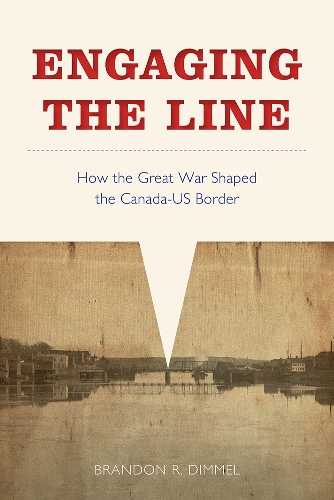
Книга Engaging the Line: How the Great War Shaped the Canada–US Border
Engaging the Line explores how the First World War forever changed the Canada–US border by examining reactions to increasingly strict security measures in six adjacent border communities.
For decades, people living in adjacent communities along the Canada–US border enjoyed close social and economic relationships with their neighbours across the line. The introduction of new security measures during the First World War threatened this way of life by restricting the movement of people and goods across the border. Many Canadians resented the new regulations introduced by their provincial and federal governments, deriding them as “outside influences” that created friction where none had existed before. Engaging the Line examines responses to wartime regulations in several border communities, including Windsor, Ontario; Detroit, Michigan; and White Rock, British Columbia. This book brings to life the repercussions for these communities and offers readers a glimpse at the origins of our modern, highly secured border by tracing the shifting relationship between citizens and the state during wartime.
"For residents of Windsor, the entire border-crossing experience had changed dramatically since 1914, when immigration authorities limited their interrogations to visible and undesirable racial groups, criminals, prostitutes, and people with obvious mental and physical illnesses. Now a fifth-generation Anglo-Saxon Windsor resident with family living in Ypsilanti and a job in downtown Detroit could expect the same kind of attention. All of this, of course, was designed to ensure that Canadian men of military age did their duty and to keep the people of Windsor – by that point witnesses to the work of Detroit-based enemy terrorists – safe from German American raiders and saboteurs." - From Chapter 2 of Engaging the Line
"
Engaging the Line is a significant contribution to North American border studies. It reveals that the intensity of Canadian nationalism varied by location, which in turn indicates Canada’s differing regional histories and diversity and duration of settler experience. Its exploration of the regional nuances of “crossing culture” also adds to our understanding of the impact of war on the home front.
" - The Ormsby Review"Engaging the Line blends political, social, and cultural history in order to assess how global developments in the first decades of the twentieth century reshaped the boundary and relationship between the USA and Canada." - International Journal
"
Engaging The Line is a smart, crisp account of the First World War’s impact on border life. The topic is not merely timely but compelling … Engaging The Line is likeable and meticulously researched, a warm account of an era we left behind.
" - Blacklock’s Reporter