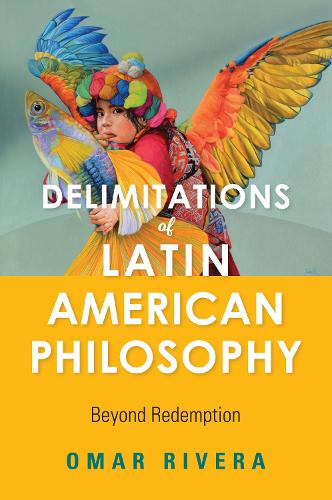
A distinctive focus of 19th- and 20th-century Latin American philosophy is the convergence of identity formation and political liberation in ethnically and racially diverse postcolonial contexts. From this perspective, Omar Rivera interprets how a "we" is articulated and deployed in central political texts of this robust philosophical tradition. In particular, by turning to the work of Peruvian political theorist José Carlos Mariátegui among others, Rivera critiques philosophies of liberation that are invested in the redemption of oppressed identities as conditions for bringing about radical social and political change, foregrounding Latin America's complex histories and socialities to illustrate the power and shortcomings of these projects. Building on this critical approach, Rivera studies interrelated epistemological, transcultural, and aesthetic delimitations of Latin American philosophy in order to explore the possibility of social and political liberation "beyond redemption."
"
Omar Rivera book Delimitations of Latin American Philosophy: Beyond Redemption provides a fruitful addition to the rapidly growing body of literature on Latin American philosophy. n from Latin America—Simón Bolívar, José Martí, and José Carlos Mariátegui—Rivera weaves a narrative within Latin American philosophy that can help orient readers (both familiar and unfamiliar with this tradition) through some of the important complexities found within this tradition.
" - Radical Philosophy Review