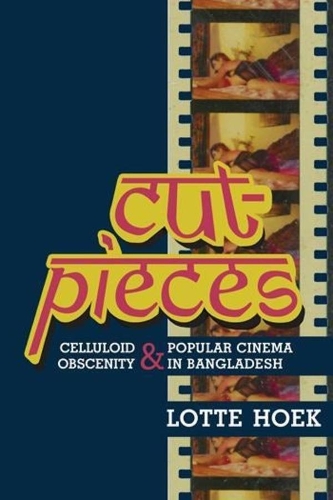
Книга Cut-Pieces: Celluloid Obscenity and Popular Cinema in Bangladesh
This is an excellent ethnography of a cinematic phenomenon-the cut piece-that has elicited comment in the popular media yet has not received sustained and critical academic attention. Cut-Pieces is framed in terms of camera techniques: montage and decoupage, following the female cast of a B-grade action film, the phenomenon of splicing, and the exigencies of Bangladeshi cinema where form is determined by the tussles that ensue between the creative staff and the Bangladeshi Censor Board. The ethnographic data is novel and fabulous, as Lotte Hoek's strong focus on one film provides the lens through which to analyze the fascinating but disturbing landscape of contemporary Bangladesh. -- Rochona Majumdar, University of Chicago and author of Marriage and Modernity: Family Values in Colonial Bengal
Imagine watching an action film in a small-town cinema hall in Bangladesh, and in between the gun battles and fistfights a short pornographic clip appears. This is known as a cut-piece, a strip of locally made celluloid pornography surreptitiously spliced into the reels of action films in Bangladesh. Exploring the shadowy world of these clips and their place in South Asian film culture, Lotte Hoek builds a rare, detailed portrait of the production, consumption, and cinematic pleasures of stray celluloid. Hoek's innovative ethnography plots the making and reception of Mintu the Murderer (2005, pseud.), a popular, Bangladeshi B-quality action movie and fascinating embodiment of the cut-piece phenomenon. She begins with the early scriptwriting phase and concludes with multiple screenings in remote Bangladeshi cinema halls, following the cut-pieces as they appear and disappear from the film, destabilizing its form, generating controversy, and titillating audiences. Hoek's work shines an unusual light on Bangladesh's state-owned film industry and popular practices of the obscene. She also reframes conceptual approaches to South Asian cinema and film culture, drawing on media anthropology to decode the cultural contradictions of Bangladesh since the 1990s.