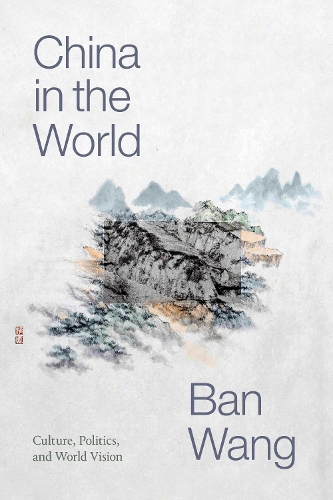
In China in the World, Ban Wang traces the evolution of modern China from the late nineteenth century to the present. With a focus on tensions and connections between national formation and international outlooks, Wang shows how ancient visions persist even as China has adopted and revised the Western nation-state form. The concept of tianxia, meaning “all under heaven,” has constantly been updated into modern outlooks that value unity, equality, and reciprocity as key to overcoming interstate conflict, social fragmentation, and ethnic divides. Instead of geopolitical dominance, China’s worldviews stem as much from the age-old desire for world unity as from absorbing the Western ideas of the Enlightenment, humanism, and socialism. Examining political writings, literature, and film, Wang presents a narrative of the country’s pursuits of decolonization, national independence, notions of national form, socialist internationalism, alternative development, and solidarity with Third World nations. Rather than national exceptionalism, Chinese worldviews aspire to a shared, integrated, and equal world.
"“China in the World is an exceptional work in Chinese Studies. Ban Wang shifts focus to China’s place in the world and its imagination, presentation, and ideas for itself and the world. Wang’s wide vision, deep reading, and consistent conversation between history and reality shape the texture of this brilliant book.”" - China’s Twentieth Century: Revolution, Retreat, and the Road to Equality
"China in the World is an elegantly efficient volume. . . . I enjoyed reading the clearly articulated arguments and histories presented in China in the World, and I look forward to following the conversations it inspires." - Modern Chinese Culture and Literature