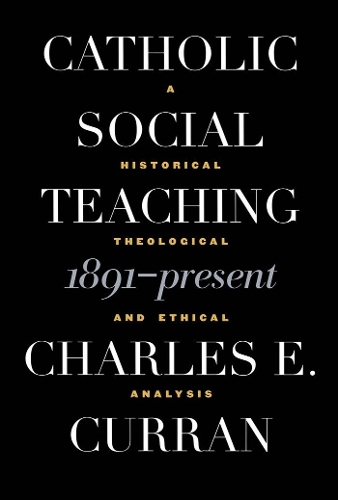
Книга Catholic Social Teaching, 1891-Present: A Historical, Theological, and Ethical Analysis
The best one-volume exposition and analysis of Catholic social teaching in our time. -- Richard P. McBrien, general editor of The Harper Collins Encyclopedia of Catholicism Charles E. Curran is one of the church's greatest moral theologians. His latest book is a wise exploration of the grand tradition of Catholic social teaching since Pope Leo XII's Rerum novarum. -- J. Phillip Wogaman, author of Christian Ethics: A Historical Introduction A volume filled with true insights, balanced assessments, and astute criticism. -- Kenneth R. Himes, OFM, past president, Catholic Theological Society of America [Curran has] a keen and well attuned eye for the foundational dimensions of Catholic teaching ... A comprehensive, exhaustively documented overview and a perceptive interpretation. -- Edward Long Jr., James W. Pearsall Professor Emeritus, Drew University
Charles E. Curran offers the first comprehensive analysis and criticism of the development of modern Catholic social teaching from the perspective of theology, ethics, and church history. Curran studies the methodology and content of the documents of Catholic social teaching, generally understood as comprising twelve papal letters beginning with Leo XIII's 1891 encyclical Rerum novarum, two documents from Vatican II, and two pastoral letters of the U.S. bishops. He contends that the fundamental basis for this body of teaching comes from an anthropological perspective that recognizes both the inherent dignity and the social nature of the human person - thus do the church's teachings on political and economic matters chart a middle course between the two extremes of individualism and collectivism. The documents themselves tend to downplay any discontinuities with previous documents, but Curran's systematic analysis reveals the significant historical developments that have occurred over the course of more than a century. Although greatly appreciative of the many strengths of this teaching, Curran also points out the weaknesses and continuing tensions in Catholic social teaching today. Intended for scholars and students of Catholic social ethics, as well as those involved in Catholic social ministry, this volume will also appeal to non-Catholic readers interested in an understanding and evaluation of Catholic social teaching.