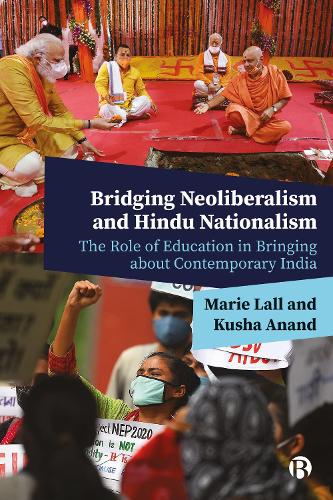
India will soon be the world’s most populated country and its political development will shape the world of the 21st century. Yet Hindu nationalism – at the helm of contemporary Indian politics – is not well understood outside of India, and its links to the global neoliberal trajectory have not been explored.
Covering 30 years of Indian politics, this book shows for the first time the importance of education in propagating the acceptance of Hindu nationalism within a neolberal system, including the reframing of the concept of Indian citizenship.
The first five years of Modi rule failed to bring about the development that had been promised and have seen India’s rapid change from a largely inclusive society to one where religious minorities are denied their basic rights.India will soon be the world’s most populated country and its political development will shape the world of the 21st century. Yet Hindu nationalism – at the helm of contemporary Indian politics - is not well understood outside of India, and its links to the global neoliberal trajectory have not been explored.
This important book shows for the first time why it is education, not a failed political system, that led to the rise of Modi and the right-wing nationalist ideology of Hindutva. It provides in depth insight into contemporary Indian politics and wider societal acceptance of India’s Hindu nationalist trajectory, as well as examining the role of class.