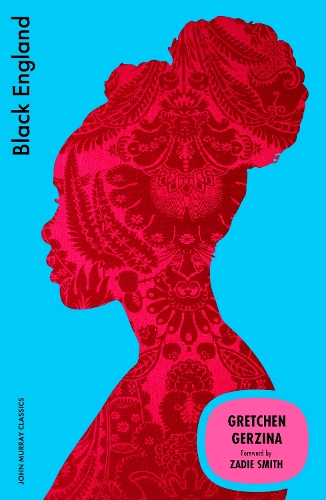
Книга Black England
'This book brings history alive' BERNADINE EVARISTO
WITH A FOREWORD FROM ZADIE SMITH
'Black England is a book that will be relevant for ever' BENJAMIN ZEPHANIAH
----------------
The idea that Britain became a mixed-race country after 1945 is a common mistake. Georgian England had a large and distinctive Black community. Whether prosperous citizens or newly freed slaves, they all ran the risk of kidnap and sale to plantations. Black England tells their dramatic, often moving stories.
In the eighteenth century, Black people could be found in clubs and pubs, there were special churches, Black-only balls and organisations for helping Black people who were out of work or in trouble. Many were famous and respected: most notably Francis Barber, Doctor Johnson's beloved manservant; Ignatius Sancho, a correspondent of Laurence Sterne; Francis Williams, a Cambridge scholar, and Olaudah Equiano whose Interesting Narrative went into multiple editions. But far more were ill-paid and ill-treated servants or beggars, despite having served Britain in war and on the seas. For alongside the free world there was slavery, from which many of these Black Britons had escaped.
The triumphs and tortures of Black England, the Ambivalent relations between the races, sometimes tragic, sometimes heart-warming, are brought to life in this wonderfully readable history. Black England explores a fascinating chapter of our shared past, a chapter that has been ignored too long.
"In the 1990s, an assistant in a London bookshop informed the African American historian Gretchen Gerzina that there "were no black people in England before 1945". Gerzina effectively disproved that assertion by going on to write the classic book on black people in Georgian London, Black England" - Guardian
"Black England is well-researched, with interesting quotes throughout and has a number of 'I didn't know that!' moments as Gerzina throws up surprising snippets of information, such as the existence of an entirely black brothel in London catering for the nobility . . . charting the progress of the anti-slavery moment in England, Gerzina highlights the mixed and often murky motives held by white abolitionists who are often less altruistic than might be expected. This is echoed in Zadie Smith's passionate and insightful foreword" - Morning Star