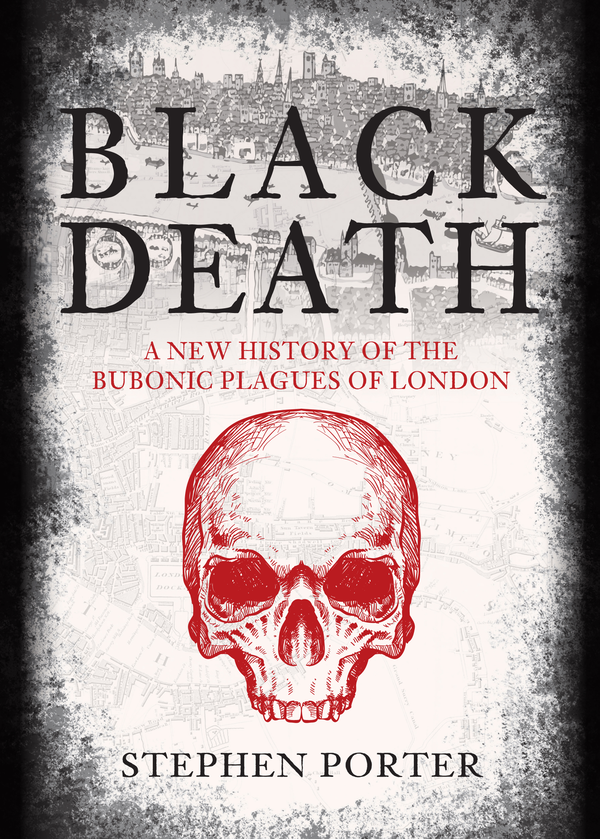
The second plague pandemic in Europe began when the disease reached Sicily in October 1347. From there it spread remorselessly across the entire continent and erupted in London in the autumn of 1348, killing at least one-third, and perhaps one-half, of its inhabitants. As the largest city in England, London suffered a higher death-toll than any other community during the many subsequent outbreaks. Tudor and Stuart London was a city afflicted by plague, yet its population continued to grow inexorably, as it drew people from the rest of the country to replace the losses.
Plague’s last visitation came in 1665 and was its most destructive, claiming at least 70,000 victims in the space of just eight months and becoming known as the Great Plague. The legacy of plague has been a dread that has scarcely been overcome even today.
- Landmark new history by a leading expert on London’s history.
- Reviews in the national broadsheets, the London press and history magazines to include Evening Standard, The Daily Mail, Sunday Times, BBC History Magazine and History Today.
- Subject of the book is relevant to many popular London visitor attractions including Museum of London, Tower of London, British Library, British Museum, London Guildhall Art Gallery & Madame Tussauds.