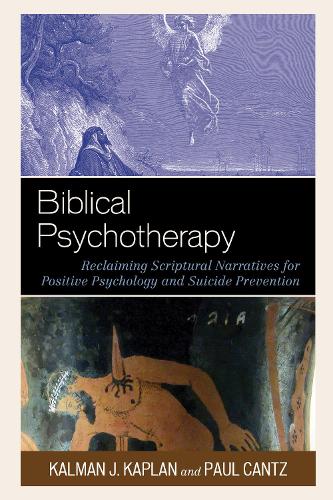
Книга Biblical Psychotherapy: Reclaiming Scriptural Narratives for Positive Psychology and Suicide Prevention
In Biblical Psychotherapy, Kalman J. Kaplan and Paul Cantz offer a new approach to suicide prevention based on biblical narratives that is designed to overcome the suicidogenic patterns in Greek and Roman stories implicit in modern mental health. More than sixteen suicides and self-mutilations emerge in the twenty-six surviving tragedies of Sophocles and Euripides and countless others occurred in Greek and Roman lives. In contrast, only six suicides are found in the Hebrew Scriptures, in addition to a number of suicide-prevention narratives. Kaplan and Cantz reclaim life-enhancing biblical narratives as alternatives to matched suicidal stories in Greek and Roman society with regard to seven evidence-based risk factors. These biblical narratives are employed to treat fourteen patients fitting into the outlined Graeco-Roman suicidal syndromes and to provide an in-depth positive psychology aimed at promoting life rather than simply preventing suicide.
"[This] book proves to be an interesting and compelling read. An engaged reading also tends to provoke the reader to utilize her ingenuity in exploring the religious- spiritual texts and narratives prevalent in specific cultures, and explore the feasibility of using these for constructing a meaning making framework for alleviation of distress and creating a fulfilled life. With a brilliantly enticing foreword by the prominent psychiatrist Thomas H. Jobe, the volume succeeds in building a firm ground for the novel approach that transcends inherent dualisms of modern psychological theory and practice, bringing together theology and professionalism, and promoting the wholesomeness of human experience through psychotherapeutic practice." - Journal of the Indian Academy of Applied Psychology
"Biblical Psychotherapy: Reclaiming Scriptural Narratives for Positive Psychology and Suicide Prevention by Kalman J. Kaplan and Paul Cantz is more for professionals, although laypeople can find this book informative and useful . . . Knowledge and techniques gained from this book will save human lives, and enhance the quality of life for many others . . . This book may bring new hope to many psychotherapists and new help to many patients." - The Jerusalem Report