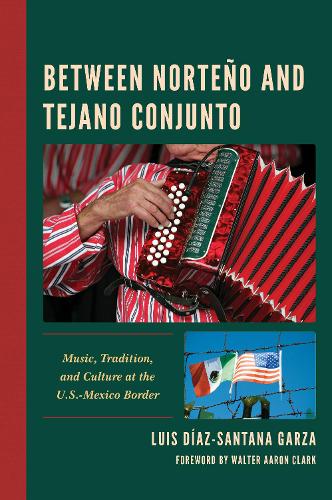
Between Norteño and Tejano Conjunto analyzes the origin, evolution, and dissemination of the norteño and tejano conjunto. This group represents a marginalized local identity that was transformed primarily into an identity of the northeast. It then gave way to the whole of northern México and the American Southwest, and was later assimilated internationally as a mainstream genre. This book provides a long-term historic vision of conjunto and the various musical forms it uses, such as polka, corrido, or canción (song), and, more recently, bolero and cumbia, as well as its transformations and contributions to other musical cultures.
"
Díaz-Santana Garza is part of a wave of scholars who incorporate their lived experience in their scholarship…. The author provides a history of conjunto, the multiple musical forms the genre incorporates, and its influence in shaping other musical cultures. The author also argues that transnational music of accordion and bajo sexto have become powerful symbols of Mexican and Chicano identity, displacing mariachi music, thanks to demand from Mexican migrants. The author visited ten archives across Mexico and Texas, and his primary research sources include newspapers, songs, and interviews he conducted in southern Texas towns and large urban centers in Mexico. Recommended. Lower-division undergraduates through faculty and professionals; general readers.
" - Choice Reviews