Книга Bernard Palissy: Artisan des réformes entre art, science et foi
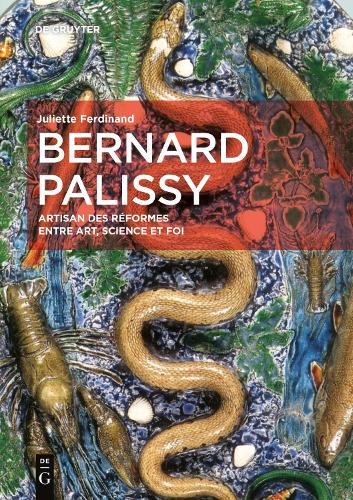
In his grotto and garden concepts, Bernard Palissy (1510–1590) developed the veristic "style rustique". It reflects the upheavals that transformed Renaissance Europe, particularly in the fields of religion and science.
Juliette Ferdinand addresses all of Palissy's areas of interest, including ceramics, garden art, and natural philosophy. She sheds light on his demand for a reform of science and religion that should be guided by a return to the origins of nature and scripture. Beyond the astonishment that their appearance still arouses in the viewer, it is the complexity and richness of an era that the "rustic figulines" testify to.
In his grotto and garden concepts, Bernard Palissy (1510–1590) developed the veristic "style rustique". It reflects the upheavals that transformed Renaissance Europe, particularly in the fields of religion and science.
Juliette Ferdinand addresses all of Palissy's areas of interest, including ceramics, garden art, and natural philosophy. She sheds light on his demand for a reform of science and religion that should be guided by a return to the origins of nature and scripture. Beyond the astonishment that their appearance still arouses in the viewer, it is the complexity and richness of an era that the "rustic figulines" testify to.
In seinen Grotten und Gartenkonzepten entwickelte Bernard Palissy (1510–1590) den veristischen „style rustique". In ihm spiegeln sich die Umbrüche wider, die das Europa der Renaissance insbesondere in Religion und Wissenschaft grundlegend verändert haben.
Juliette Ferdinand setzt sich mit allen Interessensgebieten von Palissy auseinander, darunter Keramik, Gartenkunst und Naturphilosophie. Sie beleuchtet seine Forderung nach einer Reform von Wissenschaft und Religion, die bestimmt sein sollte von der Rückbesinnung auf die Ursprünge der Natur und der Schriften. Die „rustic figulines", die auch den heutigen Betrachter noch in Staunen versetzen, zeugen von der Komplexität und dem Reichtum einer ganzen Ära.