Edward C. Dimock, Jr., Prize for the Indian Humanities, American Institute of Indian Studies
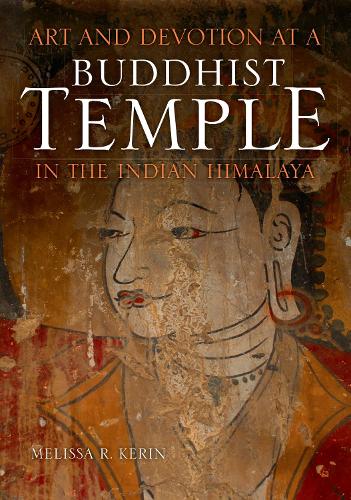
Sixteenth-century wall paintings in a Buddhist temple in the Tibetan cultural zone of northwest India are the focus of this innovative and richly illustrated study. Initially shaped by one set of religious beliefs, the paintings have since been reinterpreted and retraced by a later Buddhist community, subsumed within its religious framework and communal memory. Melissa Kerin traces the devotional, political, and artistic histories that have influenced the paintings' production and reception over the centuries of their use. Her interdisciplinary approach combines art historical methods with inscriptional translation, ethnographic documentation, and theoretical inquiry to understand religious images in context.
"
A forceful study on the specificity of Gyapagpa's painting.
" - South Asia Research
"
Emphasizing the visual as primary evidence in the study of history, especially religious history, Kerin moves Buddhist art from the arena of museum displays, art markets, and aesthetics to the arena of dynamic interdisciplinary discourse, thus reaffirming the significance of in situ study. . . . Recommended.
" - Choice