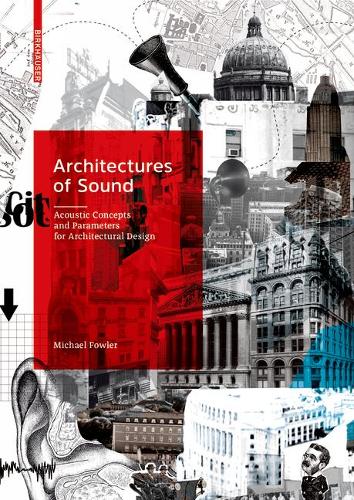
Architects are used to designing visually. In order to expand their basic design tools, this book explores the interactions between sound, space, hearing, and architecture. To this end, the author uses contemporary and historic buildings and projects, but also fictional, philosophical, and theoretical approaches – the idea is not only to define sound as a source, but also as an instrument of architectural space. By introducing a metatheory of "critical hearing", designers are able to acoustically test their projects and contribute to their design with auditive input, already at the design stage.
Architects are used to designing visually. In order to expand their basic design tools, this book explores the interactions between sound, space, hearing, and architecture. To this end, the author uses contemporary and historic buildings and projects, but also fictional, philosophical, and theoretical approaches – the idea is not only to define sound as a source, but also as an instrument of architectural space. By introducing a metatheory of "critical hearing", designers are able to acoustically test their projects and contribute to their design with auditive input, already at the design stage.
Architekten sind es gewohnt, visuell zu entwerfen. Um ihre Entwurfsgrundlagen zu erweitern, stellt dieses Buch die Zusammenhänge zwischen Klang, Raum, Hören und Architektur dar. Dafür nutzt der Autor zeitgenössische wie historische Bauten und Projekte, aber auch fiktionale, philosophische und theoretische Ansätze: schliesslich soll der Klang nicht nur als Quelle, sondern auch als Instrument des architektonischen Raums definiert werden. Durch die Einführung in eine Metatheorie des „kritischen Hörens" können die Entwerfenden ihre Projekte bereits in der Entwurfsphase akustisch prüfen und auditiv gestalten.