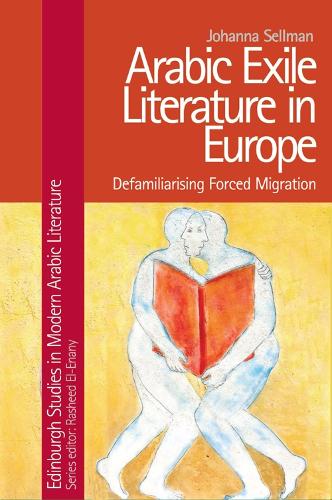
Since the 1990s, Arabic exile literature in Europe has increasingly become a literature written from the perspective of refugees, asylum seekers, undocumented migrants and others who are situated outside normatively defined citizenship. In this book, Johanna Sellman analyses the changing aesthetic and political dimensions of Arabic exile literature and demonstrates how frameworks such as east west cultural encounters, political commitment and modernist understandings of exile which were dominant in 20th-century Arabic exile literature have been giving way to writing that explores the dynamics of forced migration and the liminal spaces of borders and borderlands.Since the 1990s, Arabic exile literature in Europe has increasingly become a literature written from the perspective of refugees, asylum seekers, undocumented migrants and others who are situated outside normatively defined citizenship. In this book, Johanna Sellman analyses the changing aesthetic and political dimensions of Arabic exile literature and demonstrates how frameworks such as east–west cultural encounters, political commitment and modernist understandings of exile – which were dominant in 20th-century Arabic exile literature – have been giving way to writing that explores the dynamics of forced migration and the liminal spaces of borders and borderlands.
"[A] rich and valuable academic contribution to the study of literature of migration with its focus on the most recent trends and literary works as well as new Arabic diasporas like Berlin, Stockholm, and Copenhagen" - International Journal of Middle East Studies