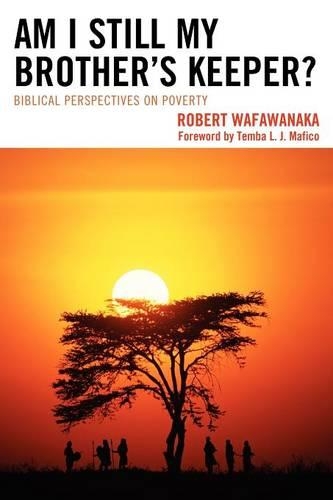
Книга Am I Still My Brother's Keeper?: Biblical Perspectives on Poverty
Few scholars know the meaning of being our brother's keepers in the deep way that Professor Robert Wafawanaka does... He grew up in the poverty of Zimbabwe and came of age in the posh and lavish halls of academia in Boston and Cambridge... He understands the link between poverty and greed and its concomitant affects on violence and socio-economic oppression. At its core, this is a justice issue and this book suggests that a new understanding of our own identity as our 'brothers' keeper' will help bring about the Kingdom of God i.e., a more just and fair society. This is a powerful wake-up call for the world to become truly flat, not just geopolitically, but economically and socially as well. This book is a must-read for Christians, Jews and Muslims who are willing to claim our brotherhood connection as children of Abraham. A powerful and practical guide to world leaders and individuals who could eradicate poverty overnight if we had the will to do it. -James Henry Harris, pastor of Second Baptist Church, professor of homiletics and pastoral theology at Virginia Union University, and author of Preaching Liberation and The Word Made Plain (Fortress Press)
What does the Bible say about poverty and our responsibility toward the poor? This book examines the concept of “brother’s keeper” in both the ancient Near East and the biblical world. Wafawanaka contends that biblical Israel failed to play the rightful role of brother’s keeper and claims that we, too, have strayed from this responsibility. Am I Still My Brother’s Keeper? reveals what we can learn about poverty from a biblical context and how we might appropriate those insights to fight poverty in our own communities. Beginning with the biblical mandate in Deuteronomy 15, Wafawanaka surveys the Hebrew Scriptures and challenges those with power and resources to reevaluate their response to the poor. Failure to revisit the notion of “brother’s keeper” threatens to create a society that is increasingly disenfranchised and unjust. A glance at our world in light of biblical history suggests that poverty is an endemic global problem that requires a radical global solution.