Contemporary policing reflects the turn from welfare to domestic warfare as the chief means of regulating the excluded and oppressed
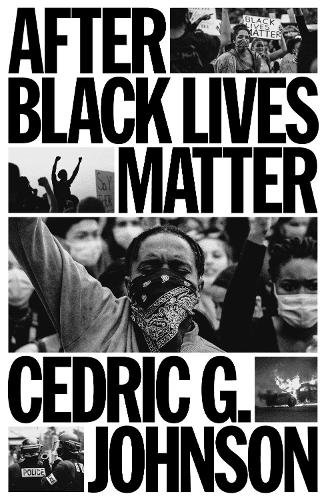
Why did a movement as powerful as the one inspired by the murder of George Floyd fall short of securing its most militant demands? After Black Lives Matter argues that the core of the movement itself failed to locate the central racial injustice that underpins the crisis of policing: socioeconomic inequality.
"A provocative and expansive critique from the left of the loose collection of protest actions, organizations, and ideological movements-whether prison abolition or calls to defund the police-that make up what we now call Black Lives Matter...After Black Lives Matter should be commended both for the clarity of its message and the bravery of its convictions." - New Yorker