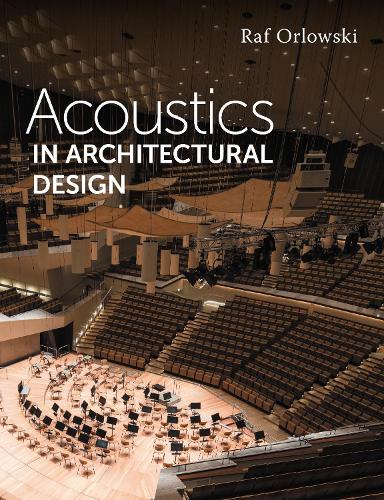
It was not until the beginning of the twentieth century that the physicist Wallace Clement Sabine developed his theory of reverberation, which has remained fundamental to architectural acoustics to this day, and has subsequently been applied to many building types, especially those for the performing arts. Yet the practice of architectural acoustics goes back much further with the impressive designs of the Greeks proving highly influential. This comprehensive book explores the development of acoustics in architectural design from the theatres of Classical Greece, through the early development of opera houses, concert halls and theatres, to the research work of Sabine and his successors and its influence on twentieth- and twenty-first-century buildings. Topics covered include: the fundamentals of acoustics; the influential legacy of the Greeks and Romans; the evolving design of opera houses, theatres and concert halls and, finally, the acoustics of schools, music schools and recital halls.
"Throughout the book, Orlowski’s writing style is clear, concise, on-point and highly engaging. For students looking to study the history and theory of acoustics in architecture and those already plying their trade in the arts, the book is a valuable work." - Lighting & Sound International Magazine
"The book is very informative. It will be a good reference for all those dealing with the design of classrooms, concert halls, and opera houses, etc." - Applied Acoustics Journal on Science Direct
"Raf Orlowski’s book is a welcome addition to the literature on architectural acoustics. It provides a comprehensive review of the development of the acoustic design of many different types of building with particular emphasis on spaces for the performing arts such as opera houses, theatres and concert halls." - Acoustics Bulletin