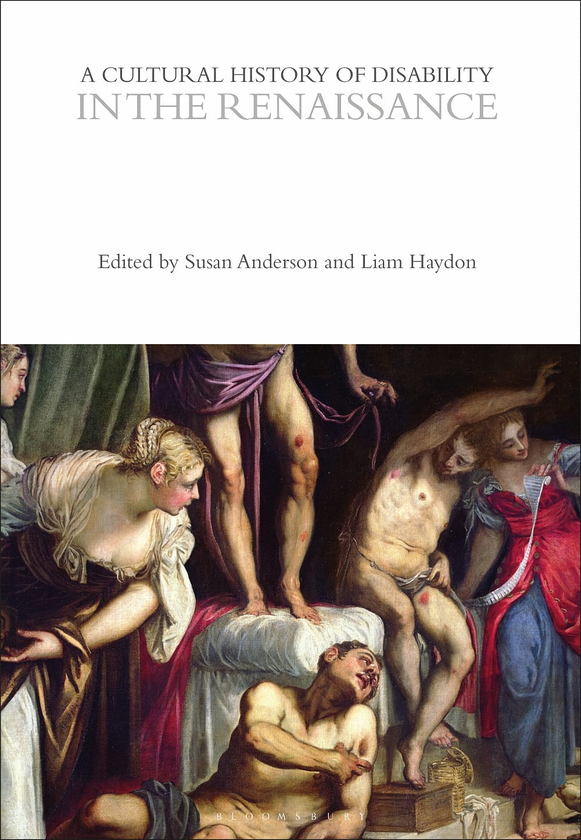
In Renaissance humanism, difference was understood through a variety of paradigms that rendered particular kinds of bodies and minds disabled. A Cultural History of Disability in the Renaissance, covering the period from 1450 to 1650, explores evidence of the possibilities for disability that existed in the European Renaissance, observable in the literary and medicinal texts, and the family, corporate, and legal records discussed in the chapters of this volume. These chapters provide an interdisciplinary overview of the configurations of bodies, minds and collectives that have left evidence of some of the ways that normativity and its challengers interacted in the Renaissance.
An essential resource for researchers, scholars and students of history, literature, culture and education, A Cultural History of Disability in the Renaissance explores such themes and topics as: atypical bodies; mobility impairment; chronic pain and illness; blindness; deafness; speech; learning difficulties; and mental health.
Table of contents
List of Figures vi
Notes on Contributors vii–viii
Series Preface ix–xiv
Introduction 1–18
1. Atypical Bodies 19–40
2. Mobility Impairment 41–62
3. Chronic Pain and Illness 63–82
4. Blindness 83–100
5. Deafness 101–116
6. Speech 117–132
7. Learning Difficulties 133–150
8. Mental Health Issues 151–166
Bibliography 173–193