This is an automatically translated description
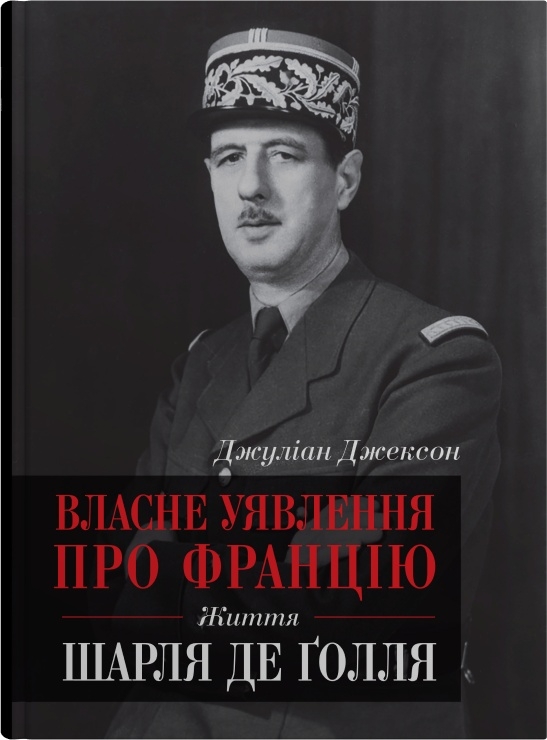
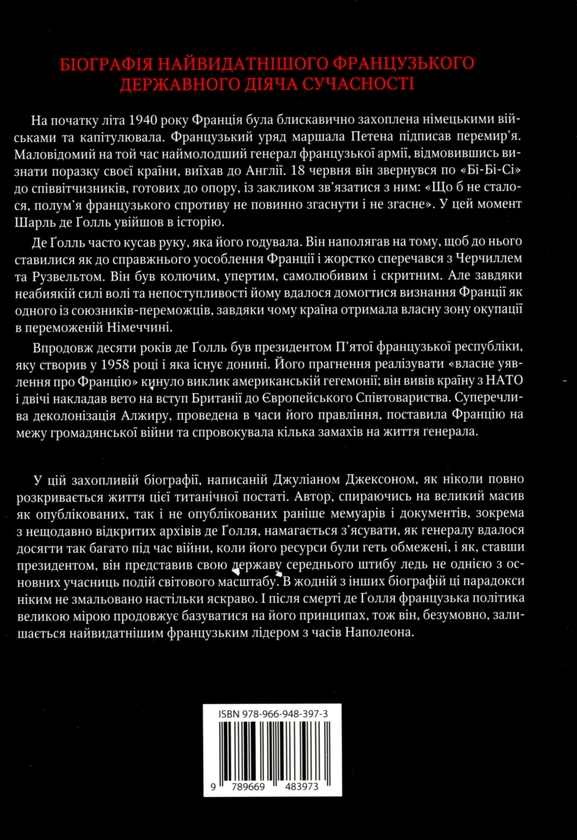
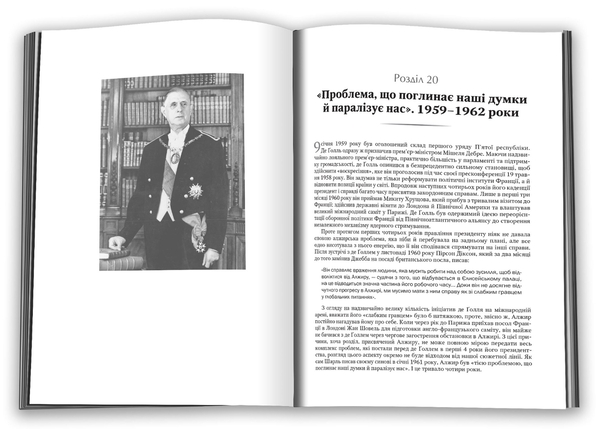
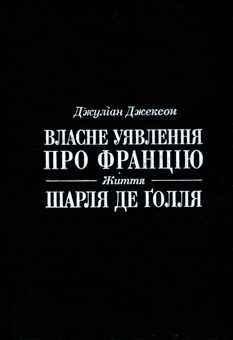
Modern France considers Charles de Gaulle to be the greatest figure in its history, with Napoleon coming in second. But who was the general in reality - a dictator or a democrat, an imperialist or a supporter of the freedom of peoples, a reformer or a retrograde? Did he succeed in achieving the greatness he dreamed of for France? All of this is discussed in his book by the famous British researcher Julian Jackson, who, from the standpoint of modern historical science, has made another attempt to assess the majestic and extremely ambiguous figure of the French president, General Charles de Gaulle.
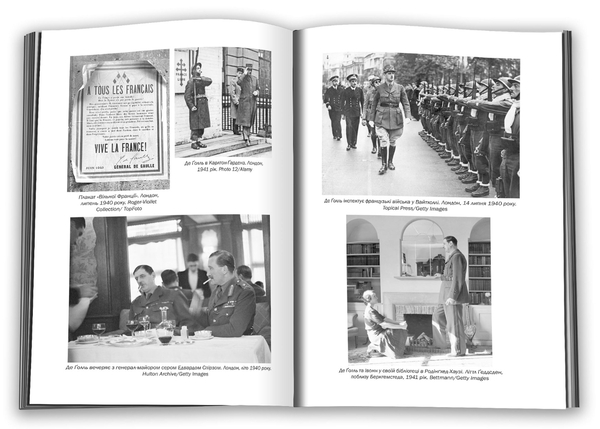
How did the general manage to occupy the highest state post? What was his originality? What shaped this man's worldview? How did he manage to gather a heterogeneous mass of French patriots under his banner during the German occupation? What were his relations with prominent figures of the twentieth century - British Prime Minister Churchill, US President Roosevelt, German Chancellor Adenauer, and leaders of other states?
The author tries to present his version of events impartially, and sometimes even rather harshly, based on hundreds of documentary materials, including those published only recently. And it is safe to say that the historical figure he describes will not leave anyone indifferent.