This is an automatically translated description
Don't get used to speeches, to people, to places. There is no sense to build a house, to plant a tree, to give birth to a son. All of them have come from here, all of them will go somewhere else.
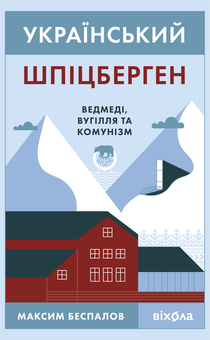
There could be a history of Spitsbergen as a forsaken land, which although de jure belongs to Norway, but de facto does not belong to anyone, such a hall of expectation, where people work, go to bars, and for some time collect their belongings and go on their way. This is just a stop on the road, not the end. Then Maksim Bespalov managed to turn his report about a week-long mandrivka into his own personal education in love for a place so far away from the world we know.
Maxim wanders through the settlements of the archipelago, literally picking up pieces of history. Here once lived Ukrainian miners, who came to work, and behind the horn &mdash, the so-called Doomsday Shelter, which stores samples of usinnya in case of disasters. This is where the whole town welcomes the sun after the polar night, and at times it is so cosy that the tourist is seen as the best friend.
Spitsbergen can be very different. It can be awe-inspiring, enchanting and disappointing. In this book, Maxim has mapped the history of Spitsbergen — its past, present and, perhaps, even its future — through the stories of the Ukrainians who have been brought to this place. This is the history of Ukrainian Spitsbergen.