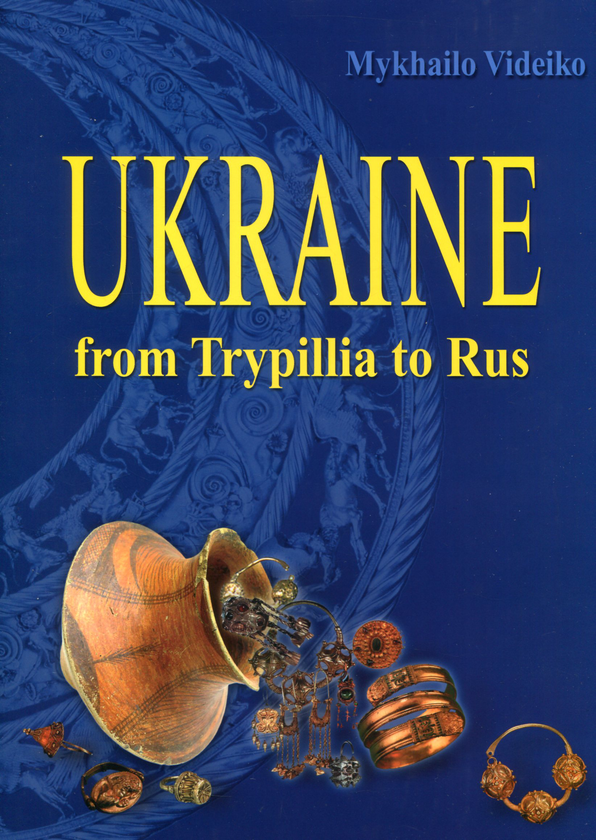


Book Ukraine. From Trypillia to Rus
This is an automatically translated description
Different names in ancient times carried this land, its forests, rivers and plains: Kimmeria, Scythia, Sarmatia, Zamora, Levedia, Dori, Archeim, Rus, Borisphen, Danprastadir, Istr, Tiras, Gippanis… All these, sometimes obscure, or even unknown names were given in ancient times by the representatives of the people who lived in our land. What was behind these names, how did the people who invented and promoted these words live? Tens of thousands of years of the ancient history of the land, which today is called Ukraine, were discovered thanks to Polish archaeological research during the last hundred and fifty years. Many expeditions have been searching for and finding traces of past epochs and events in this land. The mosaic of ancient history is made of such findings. The book presents its separate pages, episodes, which cover the period from the Tripil archaeological culture (5400-2650 BC) to the emergence of Russia with its capital in Kiev (IX century). Historical events described in this book are correlated with the territory of Ukraine with its present-day borders.The book is intended for a wide range of readers.
In ancient times this land, its forests, rivers and plains had different names: Cimmeria, Scithia,, Sarmatia, Zamorya, Levedia, Dori, Arkheim, Rus, Borisfen, Danprastadir, Ister, Tiras, Hypanis .... All these sometimes unintelligible and by now even ukniwn names were given in ancient times by representatives of peoples who lived on the territory of today's Ukraine. What did these names mean, how did people who invented and uttered those words live? Dozens of thousands of yearssof the ancient history of the land which is now called Ukraine have been discovered thanks to field archeological investigations for the last one hundred and fifty years. Every year numerous expeditions seek and find traces of the past epochs and events in this land. The mosaic of the ancient history is based on these findings. This book represent its separate pages, episodes which cover the period from Trypillan archeological culture (5400-2650 B.C.) till the appearance of Rus with its capital in Kyiv (the 9th century).