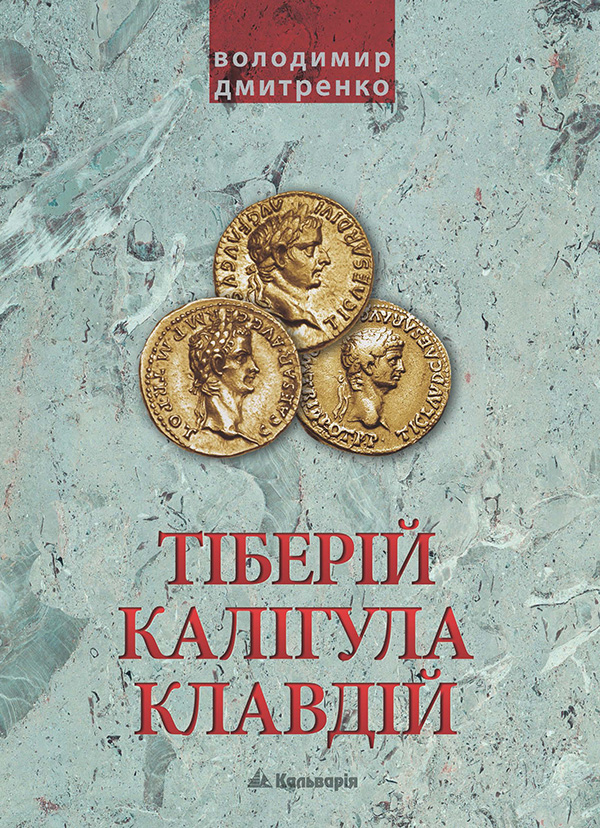
This is an automatically translated description
After Octavian Augustus, the Roman Empire was ruled by three bright, completely different emperors: the brilliant but cruel commander Tiberius; the bright but unbalanced orator Caligula; and the prudent but very effective ruler Claudius
. However, this did not save him from eight years of exile and daily waiting for assassins sent from Rome... He became emperor at the age of fifty-six and ruled for 22 years. Tiberius never sought the favour of the Romans, and because of his unheard-of cruelty, the emperor's death caused the people to rejoice
. However, his reign ended in a rebellion and the assassination of the emperor, and the image of a mad libertine remained in people's memory, overshadowing his real features and achievements: high education and oratory, the construction of many important and necessary buildings in Rome, and finally, a personal drama that led to tragic consequences.
Caligula's successor, Claudius, was Tiberius' nephew-in-law and Caligula's uncle
.
In his family, Claudius was considered a failure. However, at the age of 51, by a strange coincidence, he was given imperial power, and his rule remains in history as effective, balanced, and intelligent. When Claudius died, he was buried solemnly and with all the honours and, unlike his two predecessors, was deified.