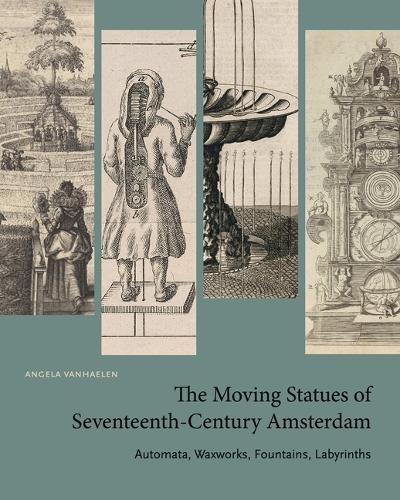
This book opens a window onto a fascinating and understudied aspect of the visual, material, intellectual, and cultural history of seventeenth-century Amsterdam: the role played by its inns and taverns, specifically the doolhoven.
Doolhoven were a type of labyrinth unique to early modern Amsterdam. Offering guest lodgings, these licensed public houses also housed remarkable displays of artwork in their gardens and galleries. The main attractions were inventive displays of moving mechanical figures (automata) and a famed set of waxwork portraits of the rulers of Protestant Europe. Publicized as the most innovative artworks on display in Amsterdam, the doolhoven exhibits presented the mercantile city as a global center of artistic and technological advancement. This evocative tour through the doolhoven pub gardens—where drinking, entertainment, and the acquisition of knowledge mingled in encounters with lively displays of animated artifacts—shows that the exhibits had a forceful and transformative impact on visitors, one that moved them toward Protestant reform.
Deeply researched and decidedly original, The Moving Statues of Seventeenth-Century Amsterdam uncovers a wealth of information about these nearly forgotten public pleasure parks, situating them within popular culture, religious controversies, global trade relations, and intellectual debates of the seventeenth century. It will appeal in particular to scholars in art history and early modern studies.
This book opens a window onto a fascinating and understudied aspect of the visual, material, intellectual, and cultural history of seventeenth-century Amsterdam: the role played by its inns and taverns, specifically the doolhoven.
Doolhoven were a type of labyrinth unique to early modern Amsterdam. Offering guest lodgings, these licensed public houses also housed remarkable displays of artwork in their gardens and galleries. The main attractions were inventive displays of moving mechanical figures (automata) and a famed set of waxwork portraits of the rulers of Protestant Europe. Publicized as the most innovative artworks on display in Amsterdam, the doolhoven exhibits presented the mercantile city as a global center of artistic and technological advancement. This evocative tour through the doolhoven pub gardens—where drinking, entertainment, and the acquisition of knowledge mingled in encounters with lively displays of animated artifacts—shows that the exhibits had a forceful and transformative impact on visitors, one that moved them toward Protestant reform.
Deeply researched and decidedly original, The Moving Statues of Seventeenth-Century Amsterdam uncovers a wealth of information about these nearly forgotten public pleasure parks, situating them within popular culture, religious controversies, global trade relations, and intellectual debates of the seventeenth century. It will appeal in particular to scholars in art history and early modern studies.