








Book World Literature, 11th Grade (Set of 4 books)
This is an automatically translated description
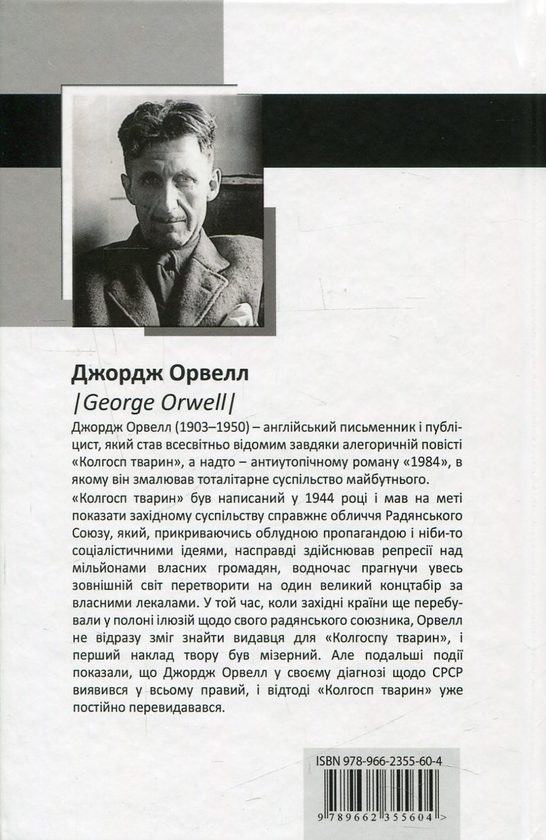
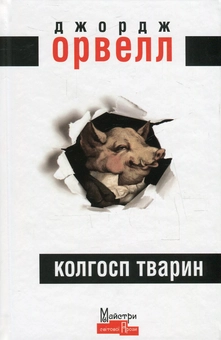
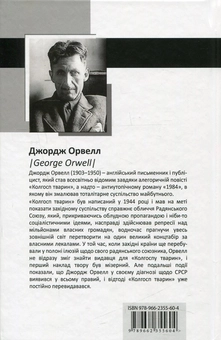
Book 1: George Orwell. Animal Farm
The fabulous story "Animal Farm" tells in an allegorical form about the times of the formation of the USSR. In particular, it tells about the revolution of 1917, about the false promises that "the land goes to the peasants and the factories to the workers", about dekulakisation, forced resettlement, repression, executions and millions of people killed in Stalin's concentration camps. Only instead of people, the characters in this story are animals. But are they so different from each other?
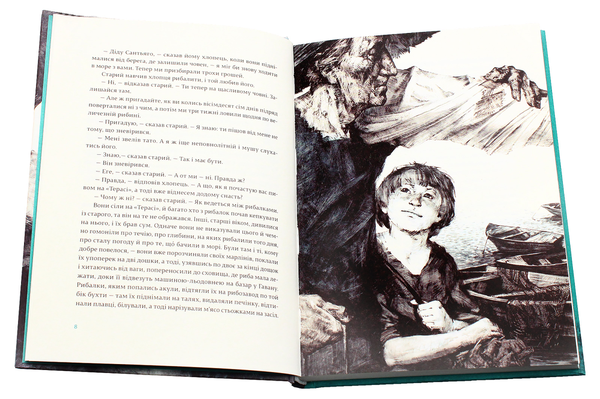
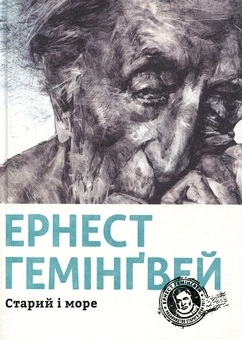
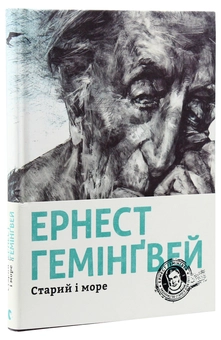
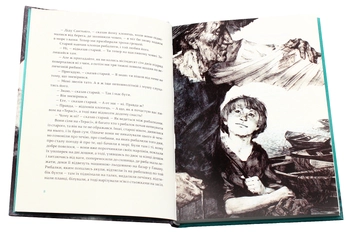
Book 2. Ernest Hemingway. The Old Man and the Sea Nobody paid any attention to the life of the old Cuban fisherman Santiago. In his native village, people considered him a freak and shunned him. But not Manolin, a neighbourhood boy for whom Santiago became a true friend.
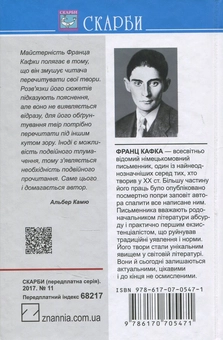
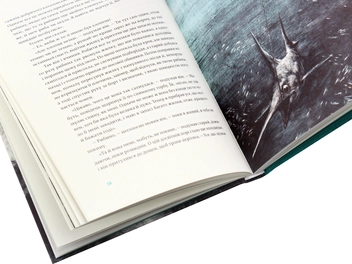
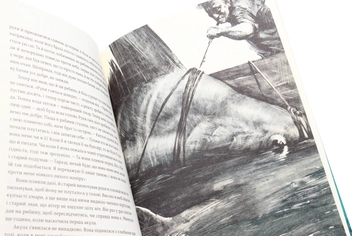
Once an old fisherman went to sea and luck smiled upon him - a huge fish was caught on a hook. Now he will have to test all his will to keep it... The parable «The Old Man and the Sea» will tell readers about true friendship, faith, perseverance and about the power that can be hidden behind deceptive appearances. Book 3. Franz Kafka. The Transformation The proposed collection includes short stories by Franz Kafka (1883-1924), which have mostly fantastic plots, closely intertwined by the author with reality. The most incredible things in these works take place in the most mundane of settings, and they strike with a strange combination of the tragic and the ironic, the absurd and the natural. Finding themselves in unusual circumstances, Kafka's characters desperately seek to escape, but they are always facing doom. The writer depicts the complex world of human relationships, the inability of many people to show true love and mercy, and thus protests against the meaninglessness and monotony of life.
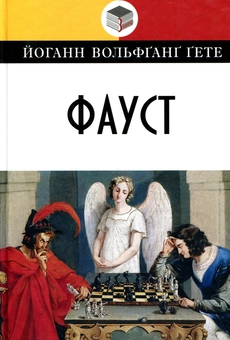
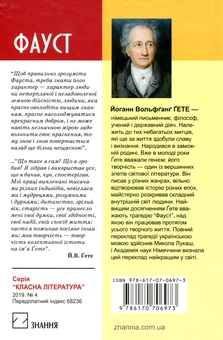
Book 4. Johann Wolfgang Goethe. Faust
The tragedy “Faust” was the result of the creative searches of the great German writer and thinker J.W. Goethe (1749—1832). The story is based on the legend of the magician and sorcerer Faust, known since the Middle Ages. Goethe transformed it into a multifaceted, complex dramatic work that became the embodiment of his search for the essence of man. Throughout the play, Faust tirelessly searches for the truth - the “inner connection of the universe” and the ultimate goal of humanity's historical existence. In an effort to master the highest knowledge, he lays his soul to the devil, Mephistopheles. But the truth remains unattainable for him. An educated reader will find in the work answers to many questions that still concern humanity today.