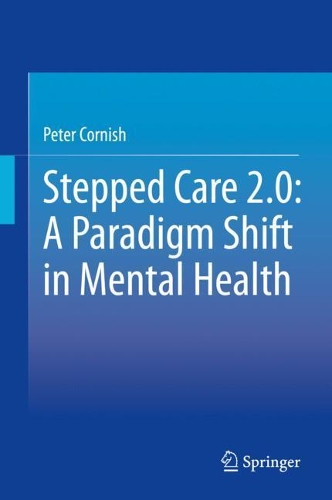
Book Stepped Care 2.0: A Paradigm Shift in Mental Health
Product code: 20828742
Format
Book language
Publisher
Year of publication
About book
This book is a primer on Stepped Care 2.0. It is the first book in a series of three. This primer addresses the increased demand for mental health care by supporting stakeholders (help-seekers, providers, and policy-makers) to collaborate in enhancing care outcomes through work that is both more meaningful and sustainable.
Our current mental health system is organized to offer highly intensive psychiatric and psychological care. While undoubtedly effective, demand far exceeds the supply for such specialized programming. Many people seeking to improve their mental health do not need psychiatric medication or sophisticated psychotherapy. A typical help seeker needs basic support. For knee pain, a nurse or physician might first recommend icing and resting the knee, working to achieve a healthy weight, and introducing low impact exercise before considering specialist care. Unfortunately, there is no parallel continuum of care for mental health and wellness. Asa result, a person seeking the most basic support must line up and wait for the specialist along with those who may have very severe and/or complex needs. Why are there no lower intensity options? One reason is fear and stigma. A thorough assessment by a specialist is considered best practice. After all, what if we miss signs of suicide or potential harm to others? A reasonable question on the surface; however, the premise is flawed. First, the risk of suicide, or threat to others, for those already seeking care, is low. Second, our technical capacity to predict on these threats is virtually nil. Finally, assessment in our current culture of fear tends to focus more on the identification of deficits (as opposed to functional capacities), leading to over-prescription of expensive remedies and lost opportunities for autonomy and self-management. Despite little evidence linking assessment to treatment outcomes, and no evidence supporting our capacity to detect risk for harm, we persist with lengthy intake assessments and automatic specialist referrals that delay care. Before providers and policy makers can feel comfortable letting go of risk assessment, however, they need to understand the forces underlying the risk paradigm that dominates our society and restricts creative solutions for supporting those in need.
Details
Author
Publisher
Number of pages
137
Published
2020
Language
English
Illustrations
Not illustrated
Book type
Printed
Binding
Hardcover
Weight
454
ISBN
9783030480547
Dimensions
155x235 мм
Compare size
Code
20828742
Delivery
Specify the delivery city
To see exact delivery terms
Payment options
Online card payment (5% cashback)
Bank Transfer
Reviews
Do you have any questions?
0-800-335-425
Contact us