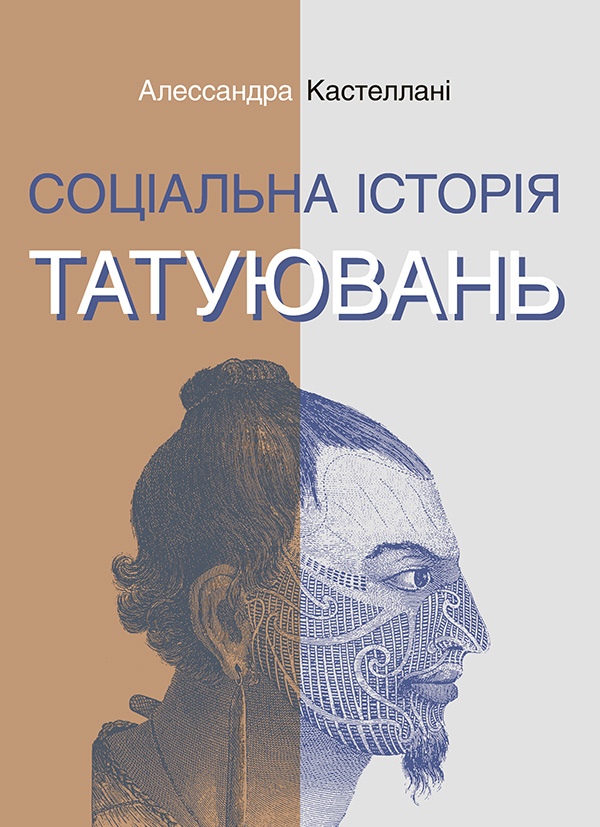
This is an automatically translated description
Tattoos were once neither popular nor acceptable as a form of body modification. It was perceived as a judgemental sign, associated with the world of criminals, lost women and marginalised people. The West was unfamiliar with the widespread practice of skin painting, which was introduced to our world through the diaries of James Cook; he used the term "tattoo" after returning from his first voyage to the South Seas. It is from the amazing reports of eighteenth-century travellers that the exotic idea of distant ethnicities emerges, and tattoos in this context play a major role in defining the otherness of unfamiliar peoples.
Thanks to its "cursed" aura, tattooing gained great popularity in the mid-seventies of the last century, when punks came on the scene with their vision of tattooing as a form of protest. Starting in the nineties, tattoos suddenly became a widespread and even "normalised" sign among young people, and no longer aroused rejection or condemnation. Now tattoos are part of fashion, and signs on the skin are perceived as a subjective manifestation of one's own style.
Tattoos and body modifications pose a fundamental question to a person about their own personality and the limits of influence on the body - how do the natural body and identity relate to each other? Is identity something fixed or can it be changed at will and by choice, as we do, for example, with skin? Courage, different ways of artificial intervention, questions of control - all of these are mixed in an attempt to redefine oneself and to give a new appearance to draw attention to one's identity.
Alessandra Castellani analyses the origins and present of tattoos, taking us on a fascinating journey through time and space: from the Bible to seventies London, from the new world discovered by eighteenth-century travellers to contemporary cities. A fascinating story written on our skin that is well worth reading...
The book is available in the Yakaboo app for free reading in the PrivatBank library.