This is an automatically translated description
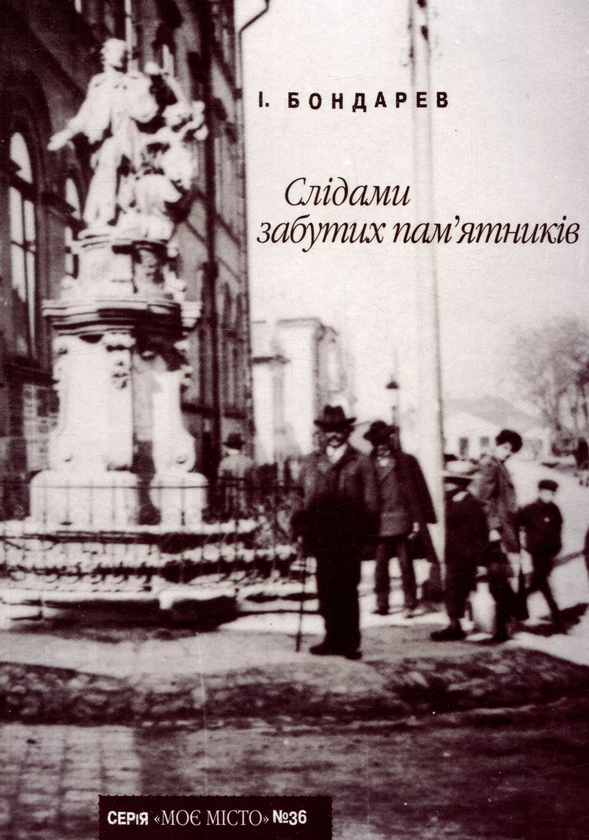
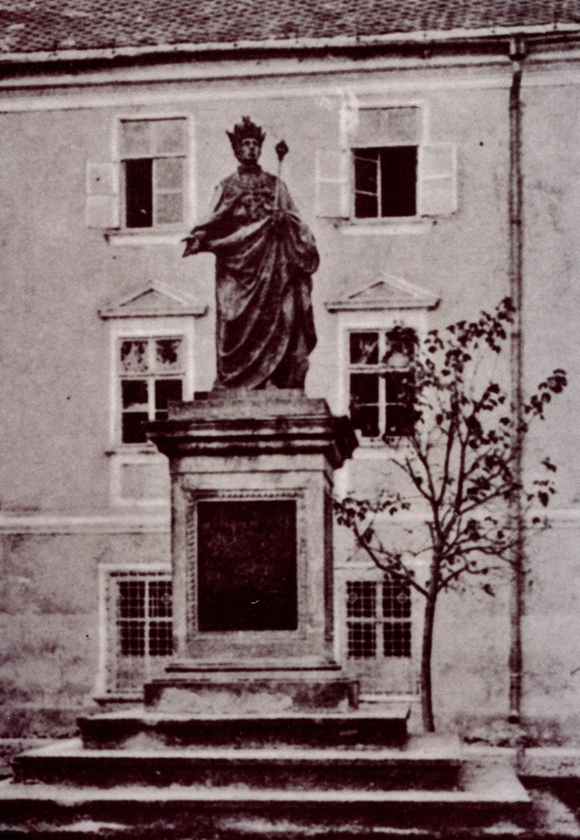
Pam’yatniks are like people. They are born as a result of their creators' craftsmanship or marriage, live as their fate has already determined, get sick and suffer from natural cataclysms and overburdened wounds, and, inevitably, pass away in their own, memorial, lights – from time, ruin and demolition, old age.
Hourly pam’yatniki catch the fear of human comedy – comic and tragic, flight and fall, life and death, – which brings marmour, bronze and cemented masterpieces and bovvani to unreachable for mortals heights and ideals. And the fact that the memory of each of us, and the community of citizens – is not the same, it is similar among the citizens of different generations, professions and affiliations, ideological patterns, nationalities and religions, it is understandable that we do not overreact to the desire to publicise the local history. In the meantime, the memorials as figures of the time have been, will be, and will continue to be cast on the European chessmen. They are left by their builders in the form of monuments to czisars and czisarevs, princes and kings, commanders and unknown soldiers, party bosses and saints, to fight against the time and people, which they used to be.hellip;