This is an automatically translated description
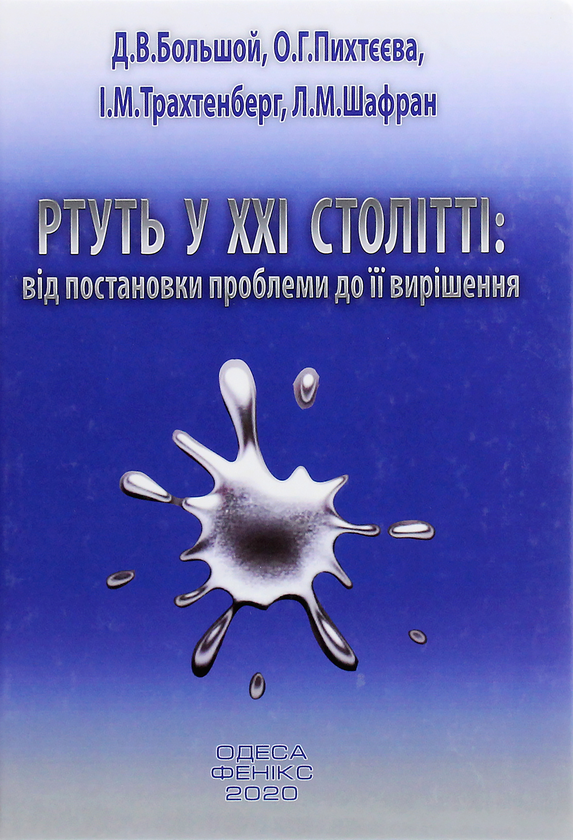
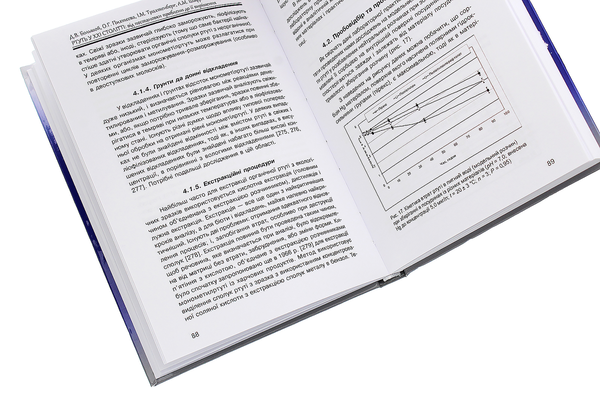
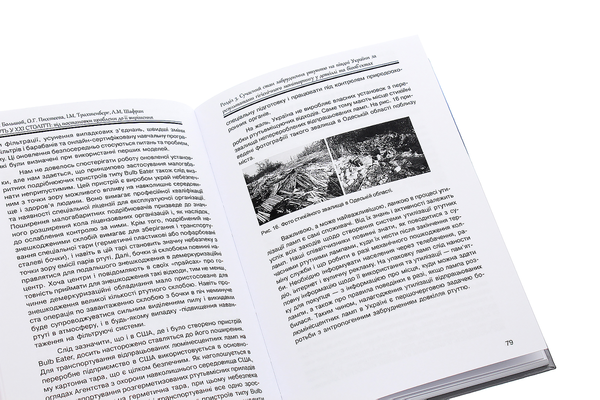
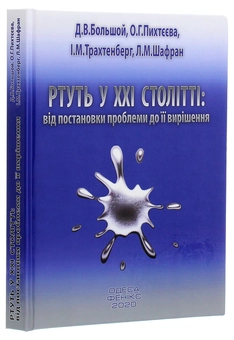
The monograph, based on the materials of the authors' long-term research, as well as on the generalisation of printed scientific information accumulated mainly over the past two decades, considers the current state of the mercury problem not only from the standpoint of critical reductive, but also prospective analysis. Based on the evidence-based methodological framework, the authors trace the full cycle of "life" of this metal, which is special in its physicochemical, biological and toxic properties, a global ecotoxicant when contaminated with various forms and compounds of mercury in the environment and biosphere, including, first of all, when it enters the human body. The new concept of mercury toxicogenesis developed by the authors is based on theoretical, experimental toxicological and eco-hygienic studies, on the generalisation of clinical data, which allows to significantly increase the effectiveness of preventive, diagnostic and therapeutic measures, as well as to outline argumentative tasks, ways and directions for further scientific research in the context of the implementation of the Minamata Convention.
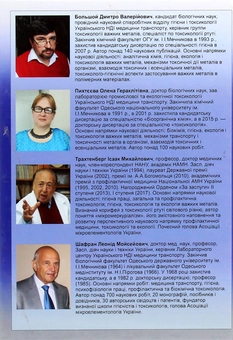
The book is intended for a wide range of specialists in various fields of biology, medicine and ecology, who will receive new useful information and assistance in their professional scientific and practical activities.