This is an automatically translated description
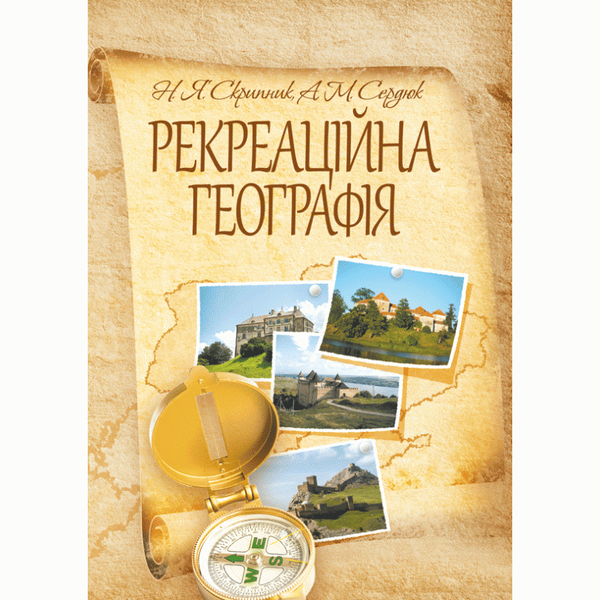
The textbook outlines the main tasks, methods of scientific knowledge, theoretical foundations of recreational geography, scientific theories, regularities, principles and factors that have a significant impact on the spatial location and organisational and territorial relations of the objects of the recreational economic complex. The theoretical foundations for assessing the natural and recreational base are considered. Great importance is attached to the study of castles, fortresses, monasteries, caves as the most promising tourist and recreational objects for further development of recreational activities. The natural-recreational and historical-architectural objects are described, attention is focused on the study of the component structure of the recreational complex, geospatial organisation of the recreational process and territorial recreational systems, their features, reasons for their development, functions in the process of recreational district formation. The textbook is recommended for students of higher educational institutions, postgraduate students, lecturers, teachers of secondary schools, specialists in the field of recreational activities.