This is an automatically translated description
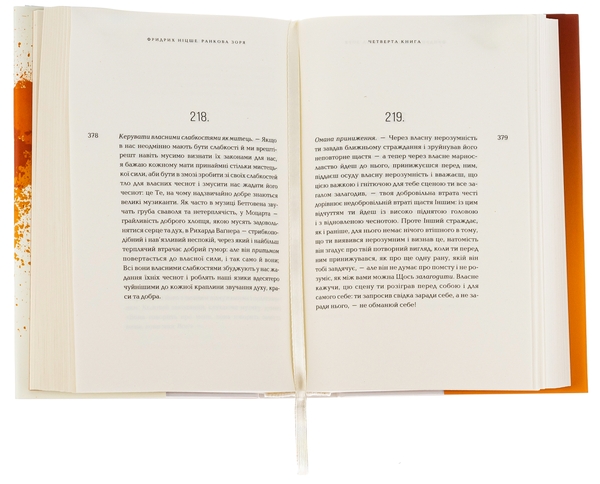
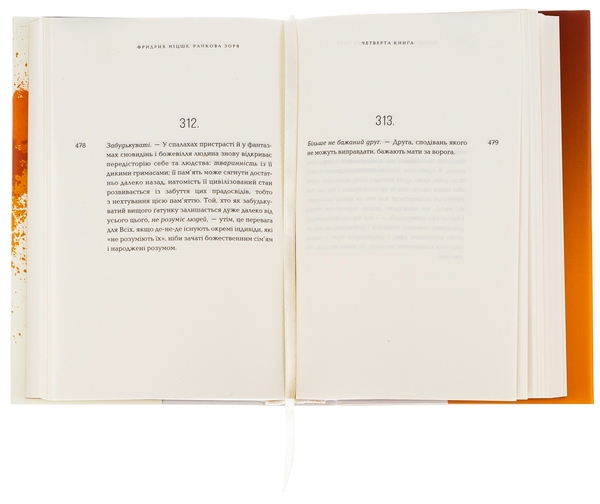
In Friedrich Nietzsche's oeuvre, The Morning Dawn is the second of three works that mark the middle ("positivist") period of the German thinker's philosophy. Occupying a position between Human, All Too Human and The Merry Science, it marks the beginning of the future project of "reassessing all values". The text consists of five parts containing 575 aphorisms of varying length and subject matter. Nietzsche defines morality as a customary way of acting and judging. The questions of prejudice, free thought, and the problems of truth and knowledge are raised. Preparatory work has been done to further study morality and religion, which will be developed in the polemical treatise On the Genealogy of Morals and the critical study Antichrist. In Morning Dawn, Nietzsche's philosophy is seen as an experimental vision of existence and a test of various perspectives of human self-realisation. The publication is accompanied by a historical and philosophical preface and a research and terminological commentary. The work is translated into Ukrainian for the first time.