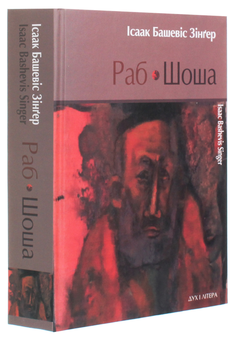
This is an automatically translated description
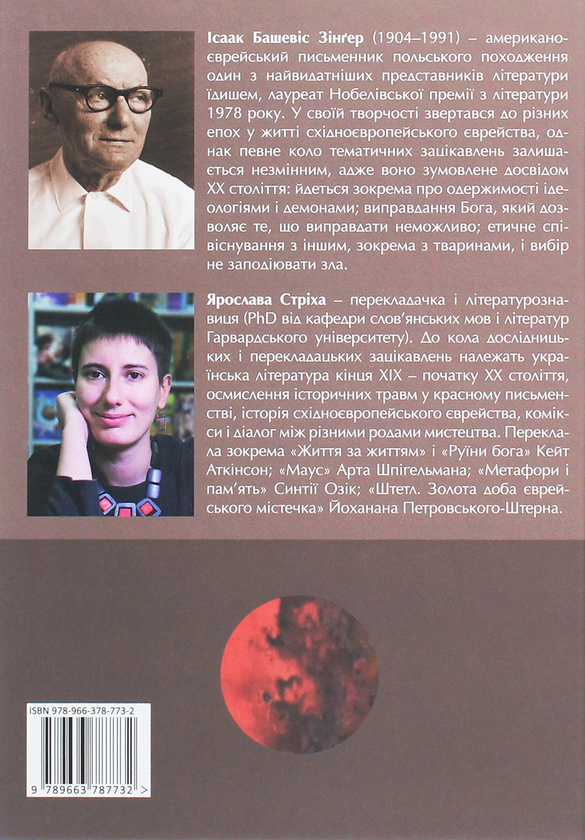
Isaac Bashevis Singer (1904–1991) is one of the most prominent representatives of Yiddish literature, winner of the 1978 Nobel Prize in Literature. In his work, he addressed different epochs in the life of Eastern European Jewry, but a certain range of thematic interests remains unchanged, as it is conditioned by the experience of the twentieth century: in particular, obsession with ideologies and demons; the justification of God, who allows what cannot be justified; ethical coexistence with others, including animals, and the choice not to cause evil.
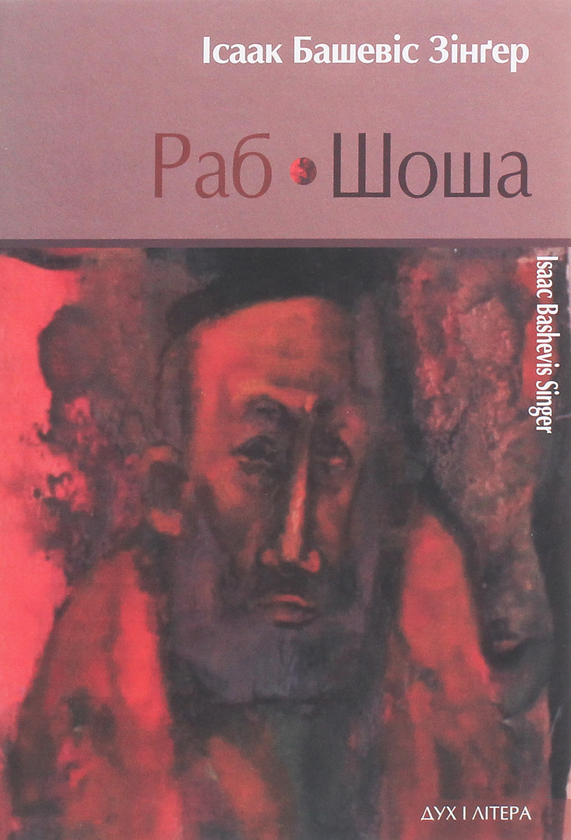
This edition introduces the reader to novels that give an idea of the breadth of Singer's genre repertoire. The Slave (1962) is a historical novel that depicts the wanderings of a Jewish man, Yakov, who finds himself enslaved by peasants in the Carpathians after the pogroms during Bohdan Khmelnytsky's war, in which his family died. Shosha (1978) is a partly autobiographical work about a writer in Warsaw in the interwar period at the crossroads between the traditional culture of his closed community and international modernism.