This is an automatically translated description
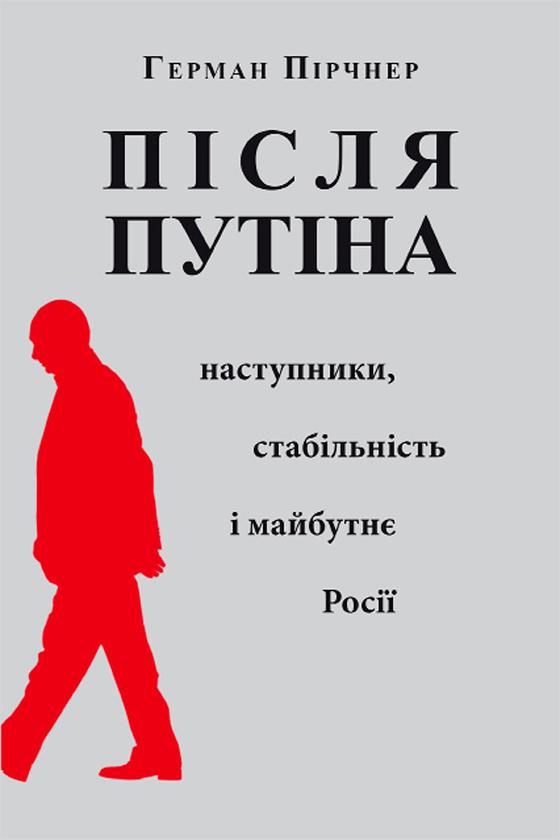
The book you are holding in your hands poses a series of uncomfortable but very timely questions. How will President Putin end his rule? How will Russia's various institutions (the army, the Interior Ministry and the FSB, as well as regional elites and oligarchs) behave at this time? How will other external actors, especially the US, EU and China, react to these developments? What are the consequences of different scenarios of a change of power in Russia for its neighbours (including Ukraine and Central Asian states), as well as for potential separatist movements within Russia itself?
Herman Pirchner, an American scholar who has been studying Russia since 1982, places his analysis in a deep comparative perspective. First of all, the author demonstrates a historical cross-section of the changes of power in Russia - from Lenin to Yeltsin. Information on how dictators in different parts of the world have ended their terms over the past 50 years reveals possible options for Putin's departure from power. And information on the status of international treaties to which the Russian Federation is a party clearly demonstrates its attitude to the world order based on international law. What will be the consequences of the departure of one of the most famous dictators of our time?
The book will be of interest to anyone interested in the current and retrospective state of international politics, as well as to those who want to understand possible scenarios in Russia after Putin.