This is an automatically translated description
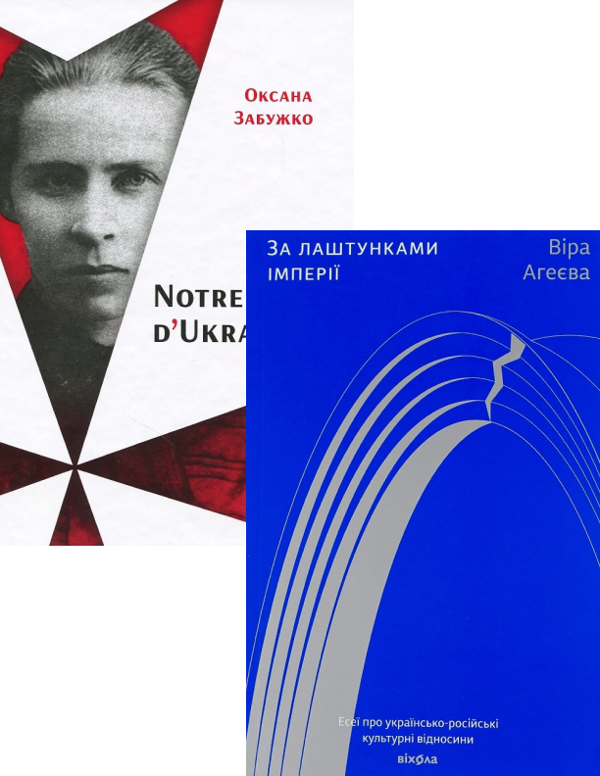
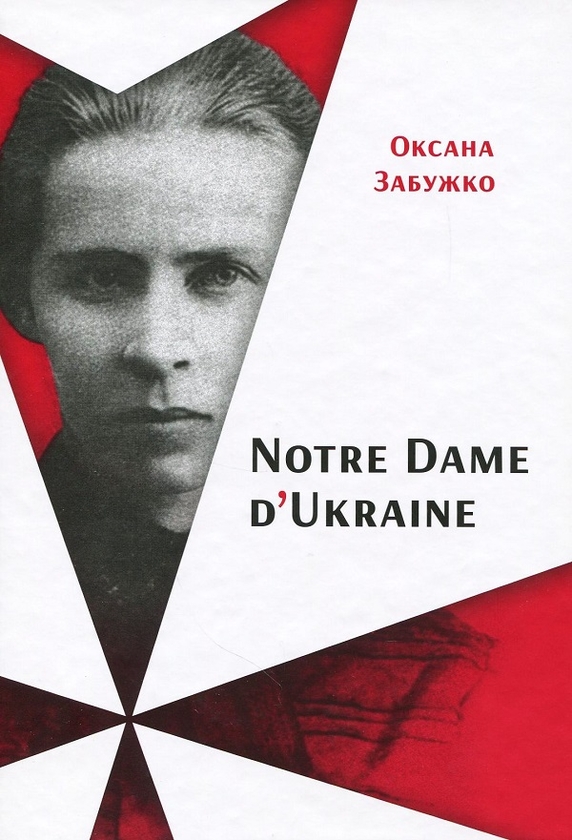
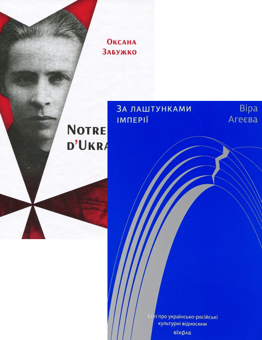
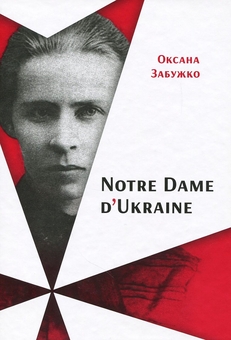
Book 1. Notre Dame d'Ukraine: A Ukrainian Woman in the Conflict of Mythologies
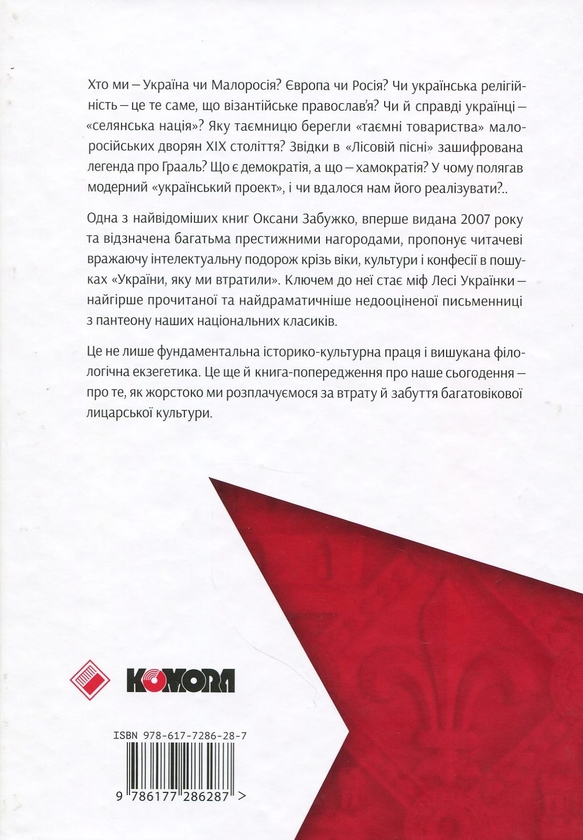
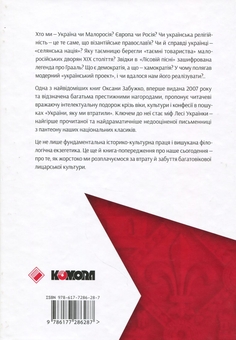
Who are we - Ukraine or Little Russia, Europe or Russia? Is Ukrainian religiosity the same as Byzantine Orthodoxy? Are Ukrainians really a "peasant nation"? What secret did the "secret societies" of the nineteenth-century Little Russian nobility keep? Where does the legend of the Grail come from in The Forest Song? What is democracy and what is hamocracy? What was the modern 'Ukrainian project', and did we succeed in implementing it?
Oksana Zabuzhko's best-known book, first published in 2007 and awarded many prestigious prizes, offers the reader an impressive intellectual journey through centuries, cultures, and confessions in search of the 'Ukraine we lost'. The key to this journey is the myth of Lesya Ukrainka, the most poorly read and dramatically underestimated writer in the pantheon of our national classics.
This is not only a fundamental historical and cultural work and a sophisticated philological exegesis. It is also a book of warning about our present - about how cruelly we are paying for the loss and oblivion of the centuries-old chivalric culture.
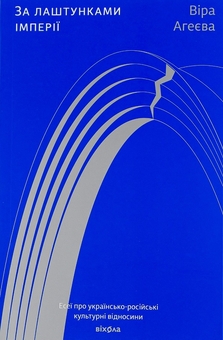
Book 2. Behind the scenes of the empire
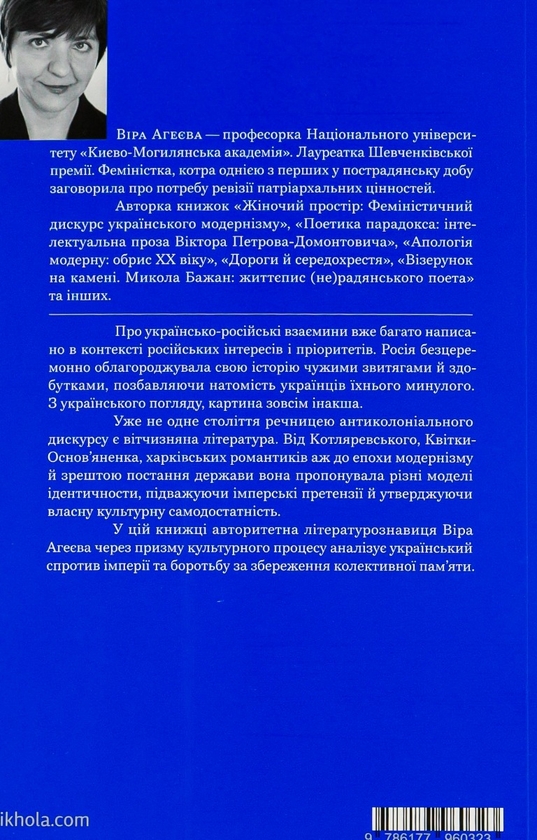
A lot has been written about Ukrainian-Russian relations in the context of Russian interests and priorities. Russia has unceremoniously ennobled its history with other people's victories and achievements, depriving Ukrainians of their past in return. From the Ukrainian point of view, the picture is completely different.
For centuries, national literature has been the spokesperson for anti-colonial discourse. From Kotliarevsky, Kvitka-Osnovyanenko, and the Kharkiv Romantics to the modernist era and the eventual emergence of the state, it has offered different models of identity, undermining imperial claims and asserting its own cultural self-sufficiency.
In this book, authoritative literary scholar Vira Ageieva analyses Ukrainian resistance to empire and the struggle to preserve collective memory through the lens of the cultural process
. She is a Shevchenko Prize winner. She is a
feminist who was one of the first in the post-Soviet era to speak about the need to revise patriarchal values
: Feminist Discourse of Ukrainian Modernism, Poetics of Paradox: Intellectual Prose by Viktor Petrov-Domontovych, Apology of Modernity: The Outline of the Twentieth Century, Roads and Middle Crossroads, Pattern on Stone. Mykola Bazhan: Biography of a (Non)Soviet Poet" and others.