


Book Im Westen nichts neues. In Stahlge-wittern
This is an automatically translated description
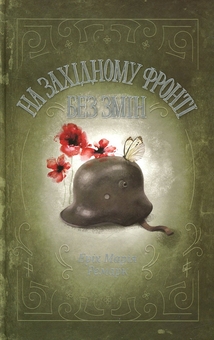
Book 1: All Quiet on the Western Front
The novel All Quiet on the Western Front by Erich Maria Remarque was first published in 1929. It quickly gained worldwide recognition. The writer was at the front during the First World War and knows firsthand about all the horrors described in the novel. For many years, killing became their job. One of the discoveries of the book's protagonist: I always thought that everyone was against the war, until I found out that there are those who are for it, especially those who do not have to go to it.
Remarque describes the events so eloquently that the reader feels the whistling of shrapnel and exploding shells, hears the groans of the dying soldiers. The author tells about the life of a soldier at the front and at home, his thoughts, fears and feelings. Tragic scenes alternate with funny situations, and this gives a real picture of the life of soldiers in wartime . He catches himself thinking that standing at the bedside of a dying comrade, he could have thoughts of wonderful English boots that would be lost when his friend was gone.
This book is about boys who never became men. They fell out of normal life. And after the blood, horror, injustice and senselessness of what they saw, these young people are unlikely to be able to return to normal. The war has disfigured them both physically and mentally. This can be clearly seen in the novel . Here are the most common reviews of the book "On the Western Front, No Changes": it touches the heart; you can't put it down; it changed the opinion about the war; whole generations of people pay a terrible price for the madness of politicians; the war is disgusting, senseless and unacceptable. In Stahlge-wittern
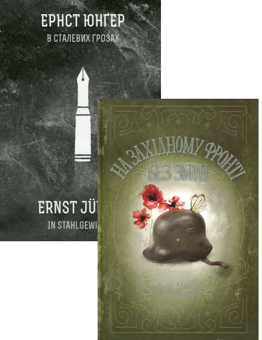
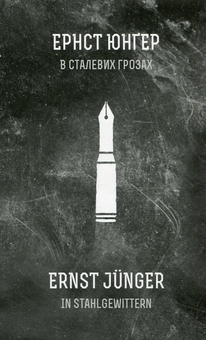
Ernst Junger's most famous book, In Stahlge-wittern, subtitled From the Diary of a Strike Group Commander, was first published in 1920 at the author's expense and became a bestseller for several years. It is perhaps the most detailed, truthful, and important book about the First World War. The form of the diary proved to be an adequate means of conveying front-line impressions: regular and accurate, albeit fragmentary, notes eventually form a diverse and impressive war mosaic that could not be more convincing.
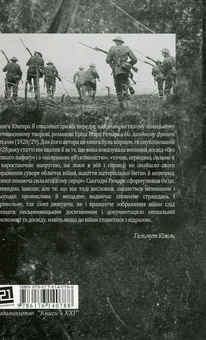
Junger's book In the Thunderstorms of Steel precedes the most famous German anti-war work, Erich Maria Remarque's novel On the Western Front as It Was (1928/29). For its author, this book was a model, and in an article published in 1928, he praised it for showing the war experience "without any pathos" and with "due objectivity": "precisely, seriously, strongly, and with increasing tension, until it really expressed the harsh face of war, the horrors of material battle, and the immeasurable, all-consuming power of the vitalism of the heart". Today, Remarque would obviously phrase it differently; but what he said then remains unchanged today: that his insightful and merciless, at once suffering and frivolous, shocking as well as impressive depiction of war should be recognised as a literary achievement and a documentation of an epochal disposition and experience, even if one is disgusted by war.