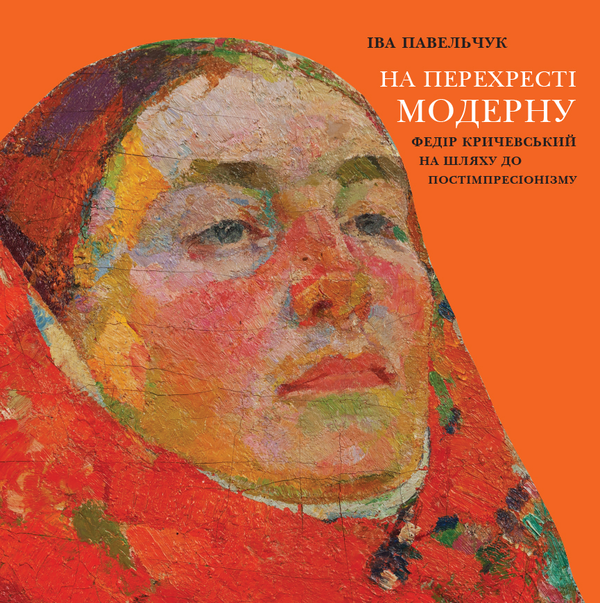
This is an automatically translated description
The book examines the creative experience of the prominent Ukrainian colourist of the first third of the twentieth century, Fedir Hryhorovych Krychevskyi, who accumulated innovative practices of European modernism of the 1870s-1910s through the assimilation of the peculiarities of French Art Nouveau and Viennese Secession. Impressionism, Symbolism, and Post-Impressionism, which were launched against the backdrop of the pan-European crisis of Positivism and Naturalism, presented alternative anti-academic trends that introduced a new irrational and subjective view of art. These advanced tendencies of the turn of the XIX-XX centuries turned out to be the worldview "crossroads" of Krychevskyi's future quest to master the nature of synthesis, which became an integral part of his post-impressionist practice of the late 1920s and early 1930s. The main attention is focused on the problem of synthesis of arts in the practice of F. Krychevskyi in 1913-1928, the awareness of which eventually allowed the Ukrainian colourist to find his own pictorial and plastic code of synthesis and implement it in the post-impressionist search of the 1930s. The study introduces into scientific circulation significant factual material collected against the background of the international socio-humanitarian discourse of the turn of the XIX-XX centuries.
The
publication is addressed to scholars, postgraduate students and students of the specialities of art history, fine arts and design, art historians, designers, teachers, museum workers and all those who are interested in the history of Ukrainian art and its significance in the global context.