This is an automatically translated description
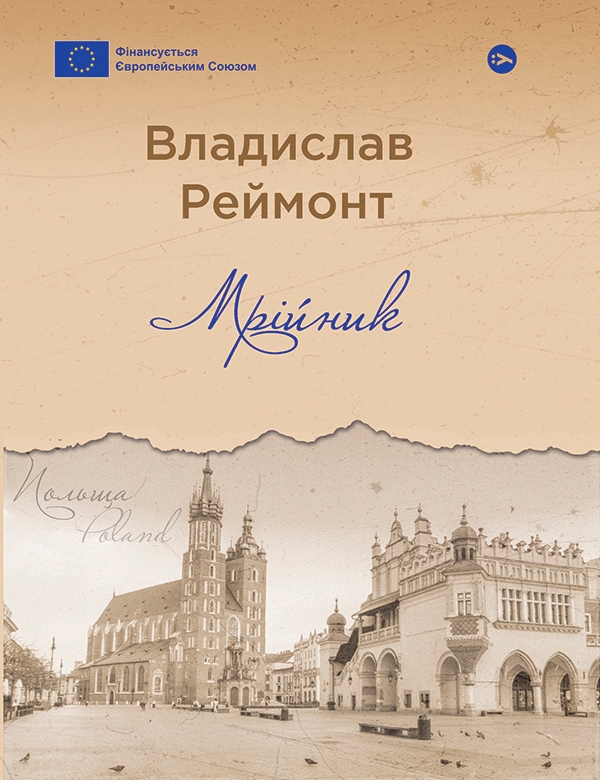
Wladyslaw Reymont was a Polish writer who won the 1924 Nobel Prize for Literature for his novel The Peasants. He was a member of the Young Poland neo-romantic circle. He is the author of short stories, novellas, and novels, diverse in theme and genre. His works combine the traditions of critical realism with elements of naturalism and symbolism. In the best examples of prose "Meeting", "Before Dawn", "Fairly", household themes and pictures from village life dominate. The novels "The Comedian" and "Fermentation" are devoted to descriptions of the life of provincial officials and actors, with urban themes predominating. He is the author of the novel Vampire, the historical trilogy 1794 about Poland in the late eighteenth century and the national liberation uprising led by Tadeusz Kosciuszko. Reymont was painfully aware of the revolutionary events of 1905 and did not approve of the revolution as a way to change society. His 1910 novel The Dreamer was a creative response to these events, thematically and artistically similar to The Comedienne and Enzymes. The protagonist of the work is a cashier at a small railway station who flees to Paris, dreaming of extraordinary love and feeling longing for a dreamy, unattainable life.