This is an automatically translated description
The study of the lexical composition of each language is not only interesting for specialists and the general public, but also important for society, as it indicates the ability of the language to create new things, reveals its potential and significance for the people.
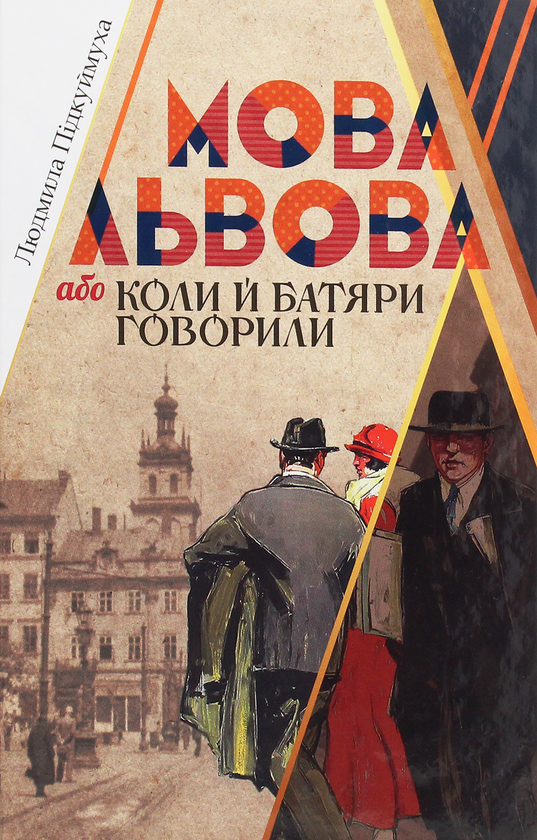
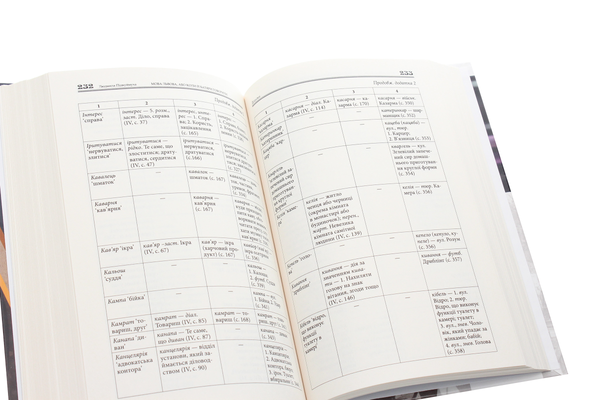
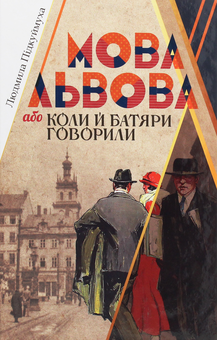
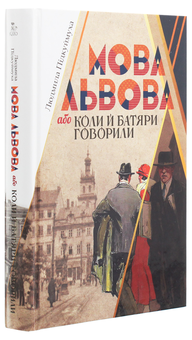
The author brings back from oblivion another part of our linguistic wealth, describing the vocabulary of the Western Ukrainian version of the literary language of the interwar period, which was formed at that time in Galicia and, in particular, in its centre, the city of Lviv. This dialect was alive, full-fledged, and multifunctional."
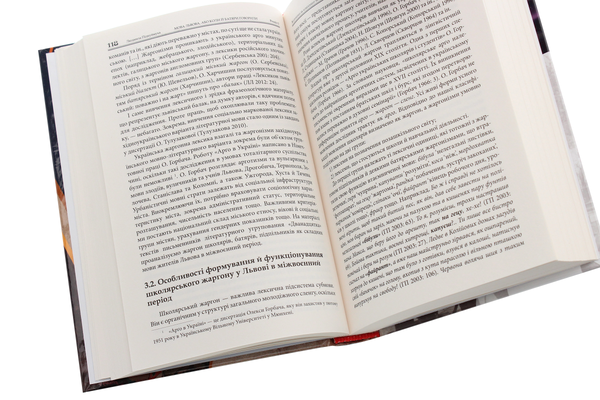
The book highlights social dialects that functioned in Lviv in the interwar period, including the jargon of schoolchildren and sportsmen. Particular attention is paid to balak, which became a linguistic feature of the subculture of batiars, which flourished in the
20s and 30s of the twentieth century
. It is shown how contemporary writers, seeking to eliminate the consequences of the Russification policy, actualise Western Ukrainian vocabulary, which enriches the lexical composition of the national language.
The publication is intended for a wide range of readers - philologists, historians, ethnographers and all those interested in the history of the formation of the Ukrainian literary language and its diversity.