This is an automatically translated description
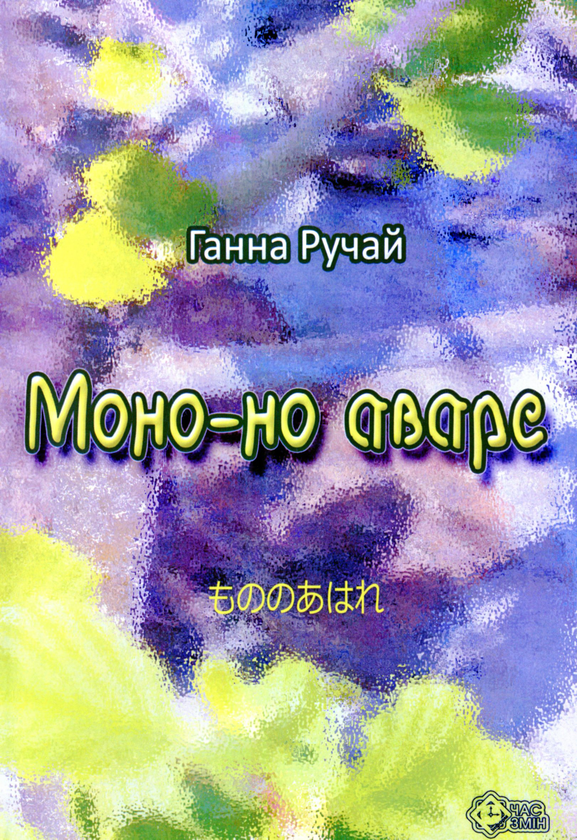
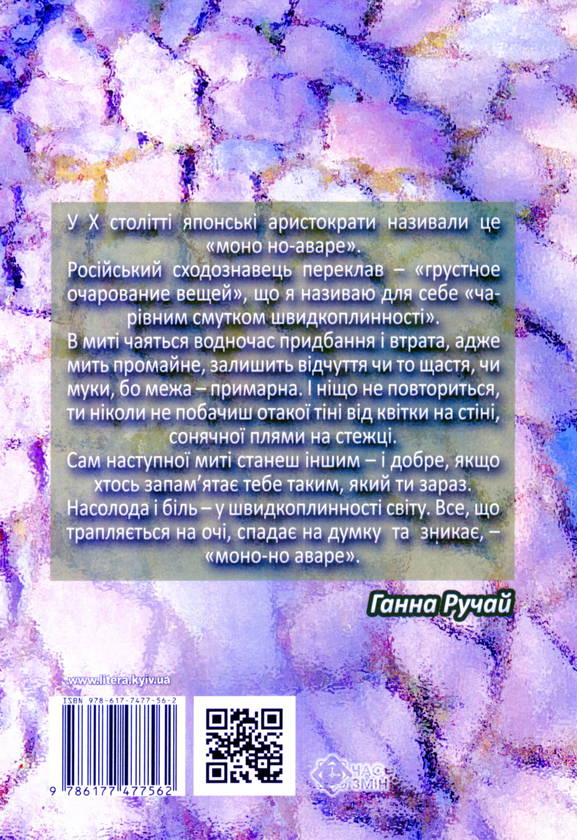
In the tenth century, Japanese aristocrats called it mono-no-aware. A Russian orientalist translated it as "the sad charm of things", which I call for myself "the charming sadness of transience".
In a moment, there is both gain and loss, because the moment will pass, leave a feeling, whether happiness or torment, because the boundary is illusory. And nothing will happen again, you will never see the shadow of the flowers on the wall, the sunspot on the path. You will be different the next time you eat - and it's good if someone remembers you as you are now. Pleasure and pain are in the transience of the world. Everything that comes into view, comes to mind, and disappears - "mono no avare".