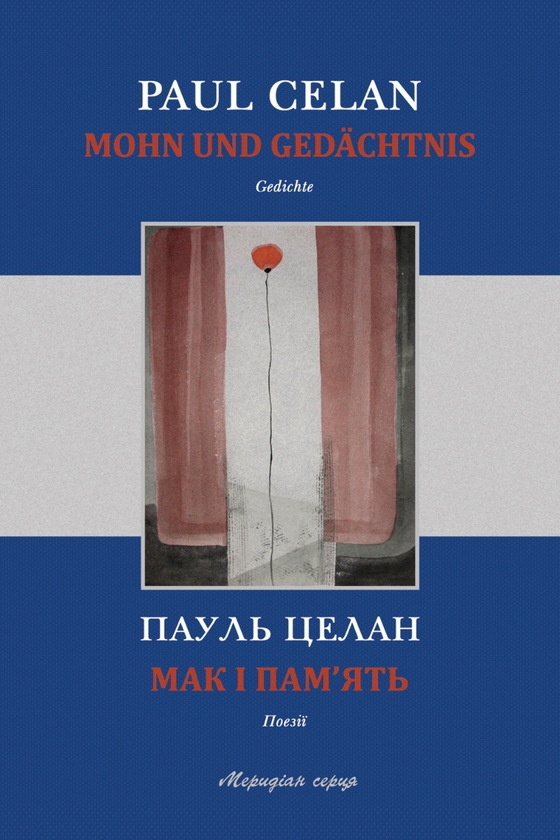
This is an automatically translated description
Paul Celan's poetry collection The Poppy and Memory (1952) marked a turning point in postwar German poetry and became a symbol of "post-Auschwitz poetry." Everything about it was unexpected and unusual - the way of thinking, the figurative structure, the formal sophistication, the language. However, it was by no means a sudden poetic insight that descended on the young author by the will of providence, but the result of many years of hard work and tireless search for an adequate embodiment of the painful issues that inevitably arose in the deeply traumatised German consciousness after the horrific Nazi crimes. With his collection Poppy and Memory, Celan sought to provide a poetic response to the challenges of the times. Therefore, these poems are convincingly inscribed in the coordinates of their era - not only as its significant aesthetic achievement, but also as an important historical and ethical testimony.