This is an automatically translated description
This project emerged as a result of a visual research using post-photographic practices, dedicated to the contemporary everyday manifestations of historical traumas of the twentieth century, as well as the representational possibilities of photography as a medium in representing traumatic events.
Every time I throw away food for any reason, I feel ashamed of it. There are no logical reasons for this feeling - I can well afford not to eat what I don't want to eat, and this cannot help anyone or save anyone. It's just leftovers on the plate - but I'm still ashamed.
This feeling is not rooted in logic, but rather in my post-pampering (to use Marianne Hirsch's term): as a child, my grandmother told me various stories from her life, and among other things, there were also memories of the Holodomor. And this shame for the food that was thrown away comes from there, from the stories of how my family survived this famine.
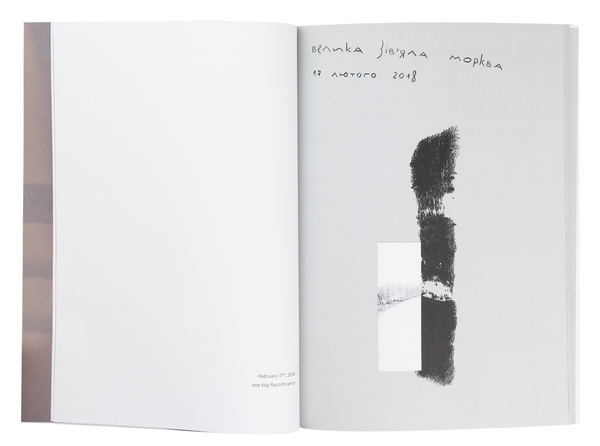
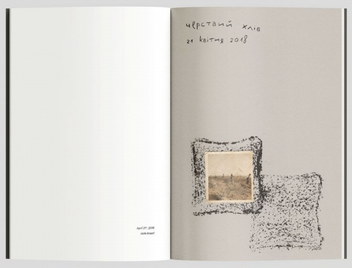
To illustrate this and understand this feeling, for two months we documented the traces of all the food we threw away. Then we used this documentation to make collages with fragments of found photographs that contain elements of the landscape.
Why landscape? Because, unlike the traces left by the famine in our (and many other Ukrainians' - the descendants of the Holodomor survivors') post-memory, there are no traces in the physical space - unlike the vast majority of other collective traumas that continue to exist in the landscape as places of memory.