This is an automatically translated description
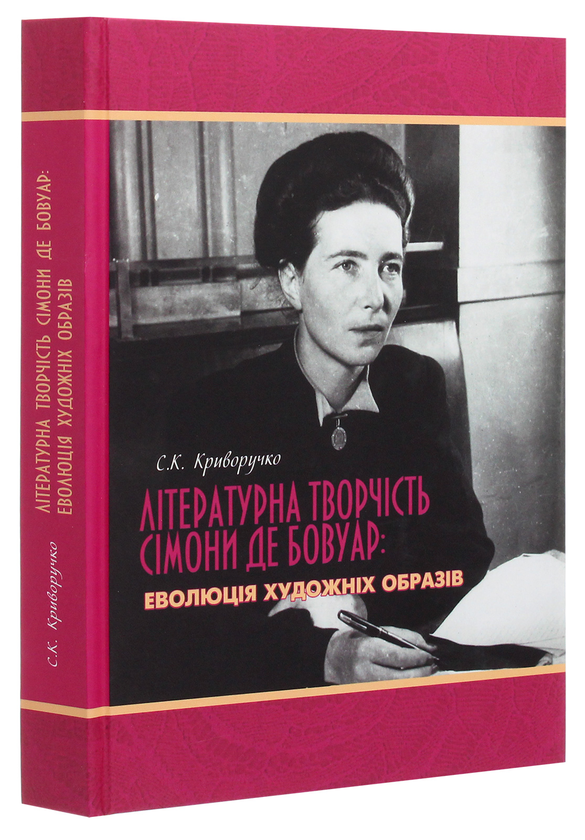
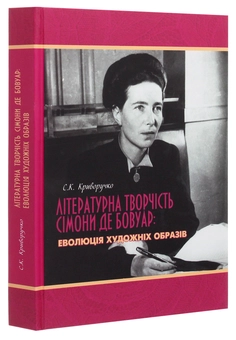
The monograph offers readings of literary works by the French writer Simone de Beauvoir «Tangerines» (1954), «Force of Circumstance» (1960), «A Very Sweet Death (1964), Magic Pictures (1966), A Broken Woman (1968), Transatlantic Love (1997), revises her reputation (brings out of the shadows of G.-P. Sartre) and recodes her role and place in the history of twentieth-century literature
. The parable layer arises from the "myth" of Adam and Eve, and the journalistic layer - from the comprehension of historical, political and cultural events. Eve absorbed the archetypes of the ancient Greek goddesses. The archetypes of goddesses are manifested in artistic images in the «feminine» — alchemical goddess (Aphrodite from the Great Goddess archetype), «feminine" - virgin goddesses (Artemis, Athena, Hestia), and "feminine" - vulnerable goddesses (Hera, Demeter, Persephone) concepts.
We see the writer's significant artistic and aesthetic contribution in the creation of «feminine» artistic images (where the archetype of Aphrodite is revealed), which, through the problem of choice, introduce the idea of the importance of &love, get rid of the feelings and status of the & laquo;Other» as an inferiority complex, reach the level of creative self-realisation of the existent. The
phenomenon of literary existentialism is realised by S. de Beauvoir as a problem of choice, which the writer poses to the hero and contributes to his evolution.
Creation of S. de Beauvoir's creation of influential heroines, according to the «feminine» concept, reaches its highest resonance in the middle of the twentieth century and extends to the turn of the twentieth and twenty-first centuries.