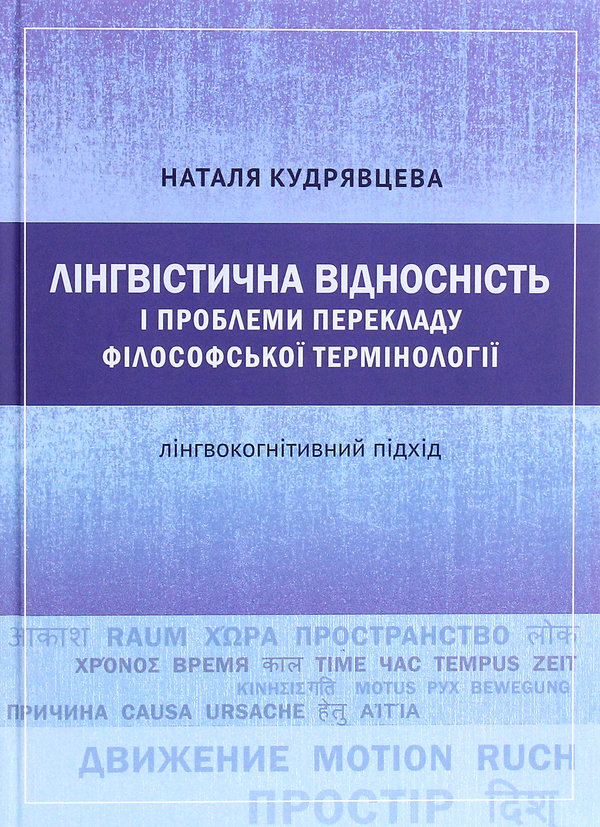
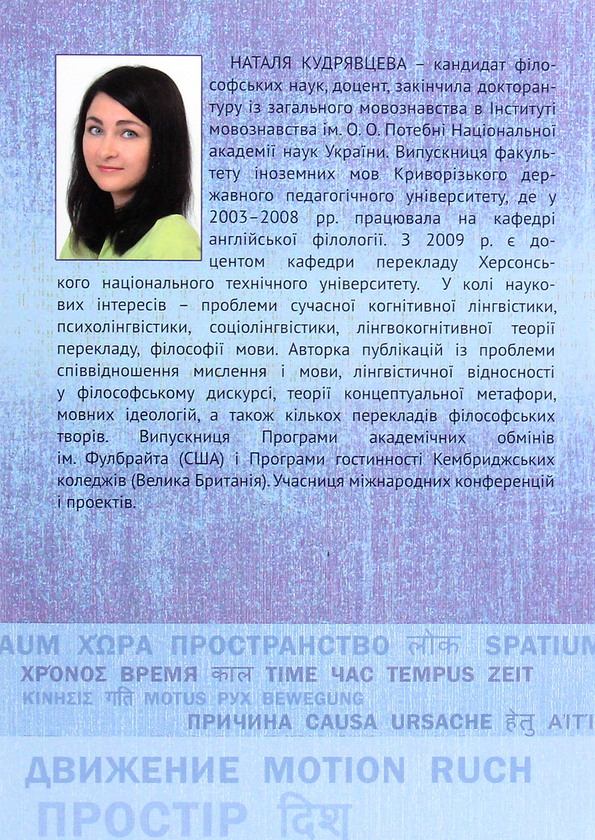
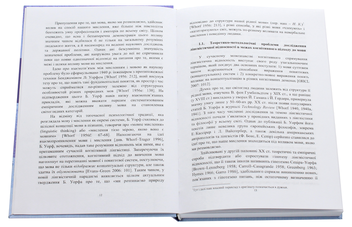
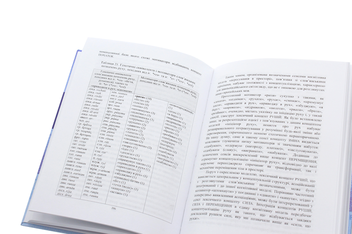
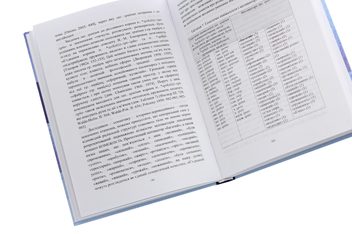
This is an automatically translated description
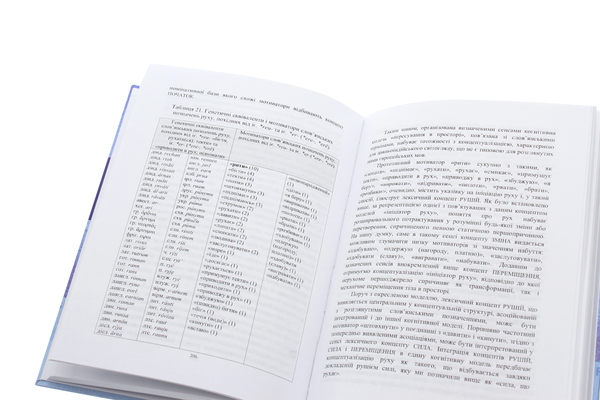
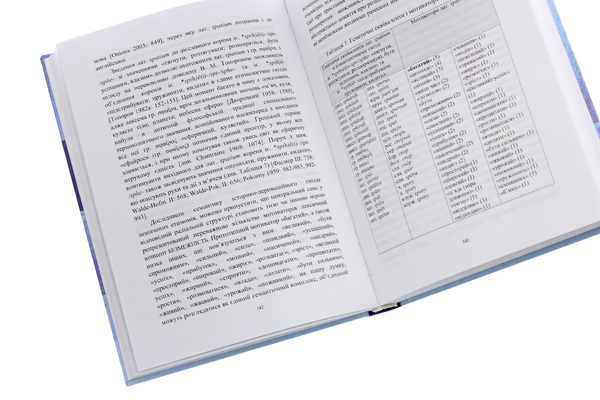
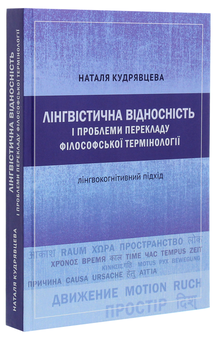
The monograph is devoted to the analysis of the problem of the correlation between thinking and language in the aspect of the theory of linguistic relativity, an interdisciplinary area of scientific research that at the beginning of the XXI century turned into a large-scale cognitive and anthropological project carried out within the framework of modern cognitive linguistics. Based on the material of philosophical and religious-philosophical texts, as well as partly scientific texts, using data from Slavic, Germanic and a number of ancient languages, the author traces the way in which the peculiarities of the semantics of a language are reflected in the understanding of fundamental philosophical concepts and influence the development of relevant philosophical and scientific concepts.
A special place is occupied by the author's coverage of the issue of translation of philosophical terms, which is located in the cognitive-relativistic plane, revealing the problematic nature of their full reproduction in other languages and serving as another evidence in favour of the influence of language on the philosophical worldview. The author proposes a hermeneutical model of translation of philosophical terms based on the principles of the linguistic and cognitive approach, which makes it possible to reproduce philosophical terminology taking into account its specific language specificity.
For philologists specialising in general linguistics, cognitive linguistics, translation studies, researchers of the language of philosophy and the language of science, philosophers, cultural studies, and anyone interested in the functioning of language as a means of reflecting and shaping thinking and a tool for cognition of reality.