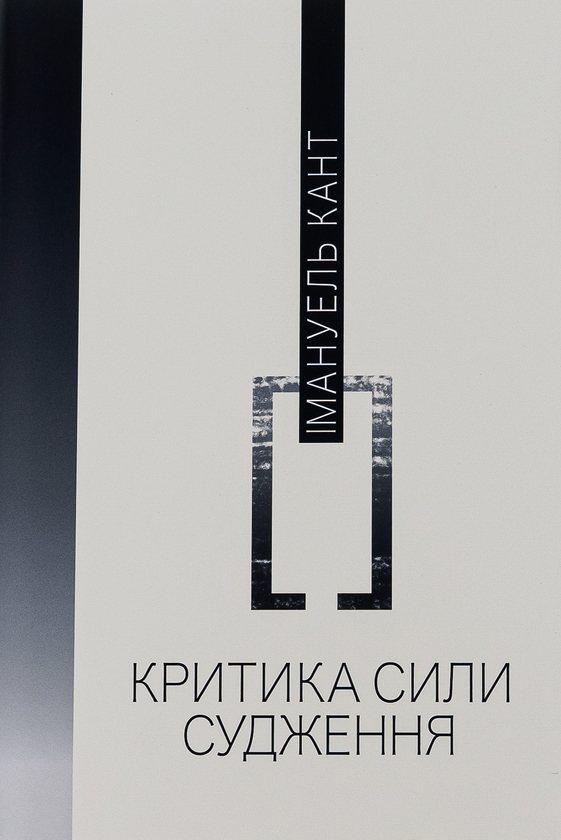
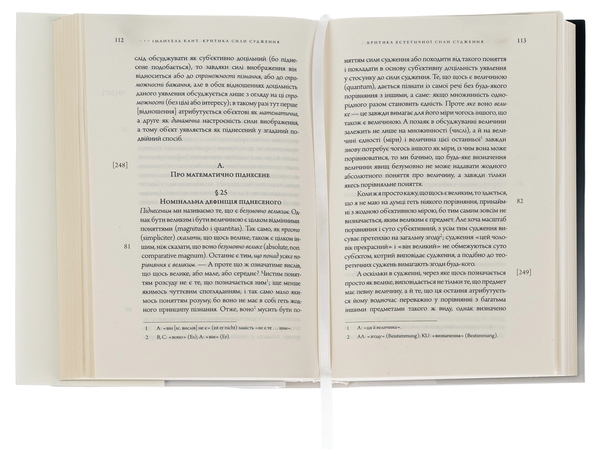
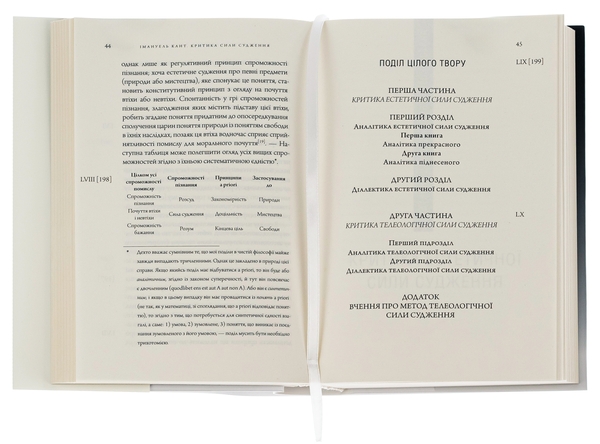
This is an automatically translated description
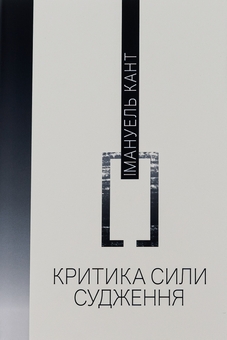
Imanuel Kant's Critique of the Power of Judgement (1790) marks the final stage of the "critical work" that was begun in the Critique of Pure Reason (1781/1787) and continued in the Critique of Practical Reason (1788). This third Critique is generally regarded as an aesthetic theory based on an analysis of the peculiarity of judgements of taste: they are aesthetic rather than logical, disinterested, lacking any purpose, and yet claiming a certain form of general significance. Appropriateness is a key concept not only for the aesthetic part of the work as "the appropriate attitude of our powers of cognition", but also for the teleological consideration of nature and even for the whole work, which is ultimately about the mediation between nature and freedom. The power of judgement is the instance that plays a decisive role in both aesthetics and teleology. The extraordinary influence of Kant's Third Critique is already felt in the emergence of German idealism and romanticism, but it continues to the present day...