



Book Cinematograph (set of 2 books)
This is an automatically translated description
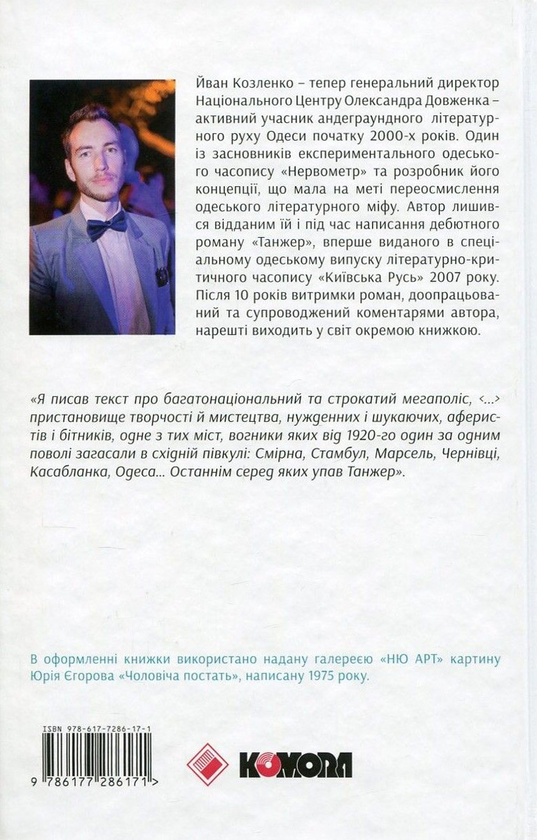
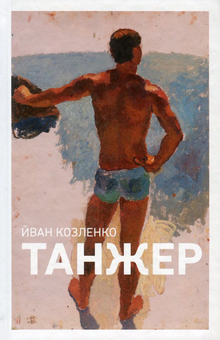
The unsupported proposition from a stranger – to star in an experimental film – becomes for the bohemian young Odessaite Orest not the start of a car’ery, as he might have hoped, but the beginning of a chimerical relationship, in which the histories of the characters of the future film, their prototypes and the actors themselves are intertwined. The space, in which the plot develops, is so critical and mosaic, but it seems to be Odessa with one «s» – the other Odessa, without the mashkari of the old dotepnik-blaznya and hvatsky gangster thrown on it by Radianskoi and post-Radianskoi pop culture. A place of beautiful nakedness of beaches, a place of bars and clubs, carnival nurturing of the Seventh Kilometre, a place of Dovzhenk and Yanovskiy, of the Ukrainian revolution and freedom, a place of love and creativity that knows no boundaries.
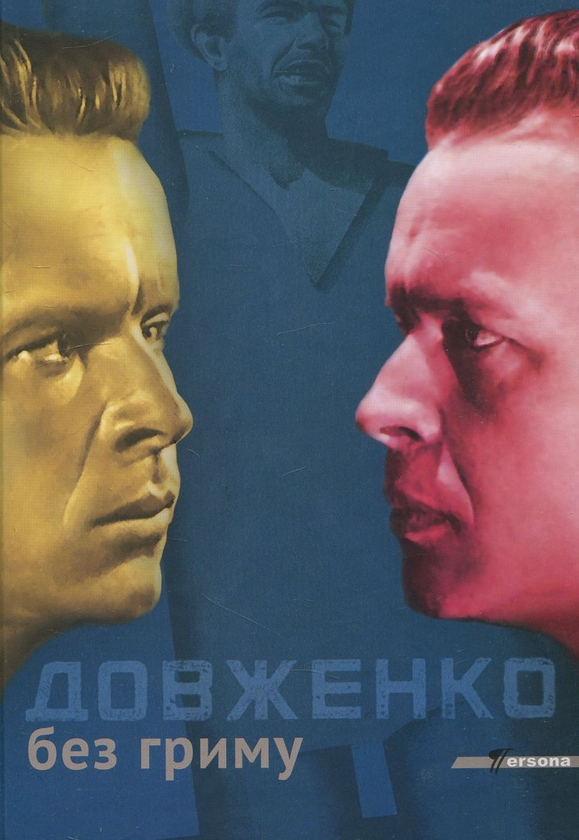
Book 2. Dovzhenko without make-up
Archives, documents, leaves, disputes, collected in this book, give an opportunity to see the biography and creativity of Oleksandr Dovzhenko in a new light.
Archives, documents, leaves, disputes, collected in this book.
Petlurivets or Stalinists, revolutionary romantic or rational pragmatist, Radian spy in Germany or Ukrainian diplomat who defends the interests of Ukraine? It is not easy to find unambiguous answers to all these questions. In Dovzhenkov's listuvanni with Varvara Krilova, Olena Chernova, Yulia Solntseva, Valentina Tkachenko, the complex collisions of intimate relationships, the history of love and maturity, faith and loyalty grow. Hitherto unpublished memoirs of contemporaries allow us to see into the creative laboratory of the maitz, to understand the outflows of his directorial ideas, the autobiographical background of the plots of & laquo;Arsenal&rail&rail&rail&rail&rail&rail.laquo;Arsenal», «Zemli», war prose, to prostrate the peculiarities of Oleksandr Dovzhenk's author's myth in Ukrainian culture.
In the series «Persona» nebudenni postates of national and world context are presented as they could appear through the prism of their not yet written full-length biographies. This is a chance to get closer to the distance, when the textbook gloss and the fog of incomprehension lose their force. And for some it is also a chance to discover new names and change the perception of the epoch.