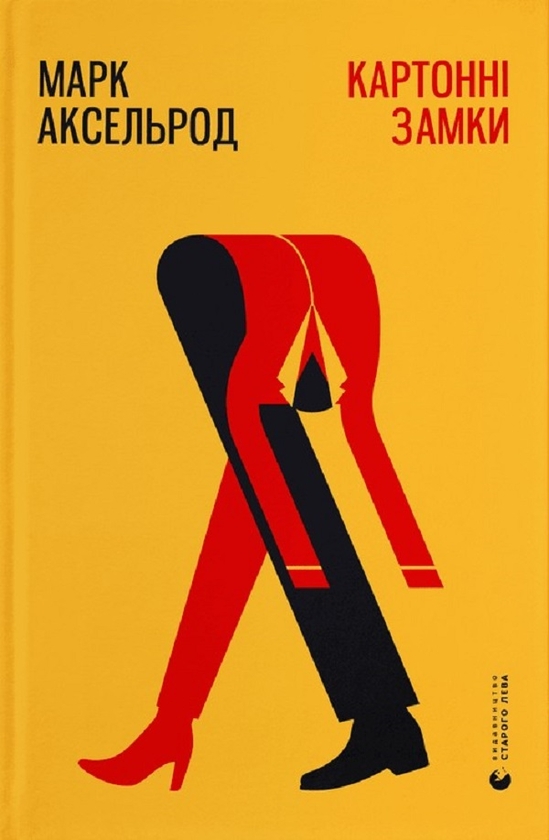
This is an automatically translated description
This novel can be called rather bizarre and confusing in form and content - the reader will suspect this as soon as he reads the Prologue. Later, it will seem that this is some kind of game where the author is a master storyteller, a skilful manipulator, a philosopher-eclectic who mocks the reader or simply keeps the reader's attention and fascinates in the style of Kafka, Balzac, Joyce, or in a style unlike any other, because Mark Axelrod himself is a professor of comparative literature.
You will learn about the writer Duncan Katz, who will sue God, talk to Death, travel, love and suffer, but that is not the main thing. The polyphony of Cardboard Castles is a multitude of voices of fantastic characters, exquisite metaphors, transparent rhythms, literary allusions, and they are all about one thing - human understanding. And this is the truth, which may turn out to be the only truth in this novel, which, in the end, the author himself denies.