This is an automatically translated description
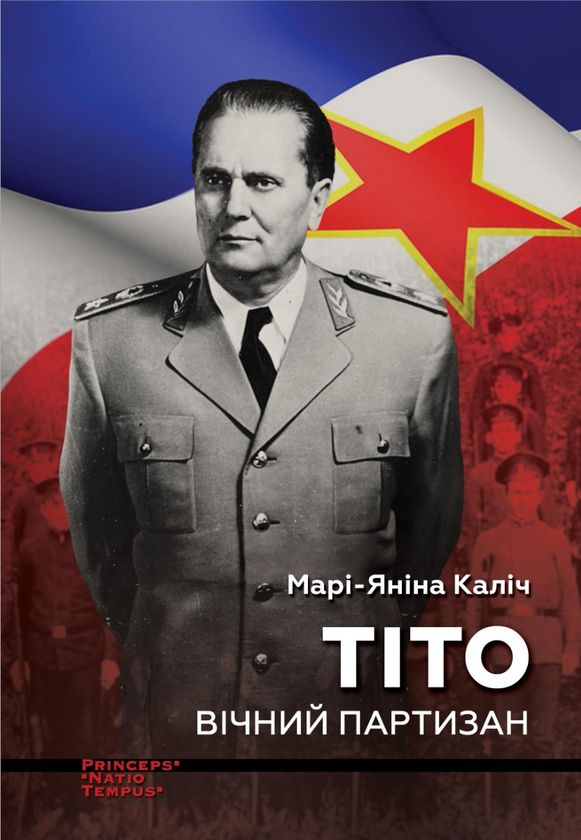
Josip Broz Tito was an "eternal partisan" - a typical creature of an era of extremes, an era that he not only lived through but also shaped and suffered through. During his lifetime, he was a globally recognised statesman. Today, many consider him a brutal dictator. So who was he really? Marie-Janine Kalić provides an excellent opportunity to look beyond the myths and legends to better understand this historical figure, telling the adventurous story of his life against the backdrop of the ups and downs that Yugoslavia experienced.
Tito was a politician in his own right. He was a visionary and a pragmatist, a strategist and a practitioner, someone who, thanks to incredible talents and in very special historical circumstances, made a dizzying career. During World War II, he and his partisans single-handedly liberated Yugoslavia from German occupation. This was the role that allowed him to showcase all his abilities and cemented his long-standing dominance in the country. For it is likely that without this eternal partisan. Yugoslavia would have split immediately after the Second World War. For 35 years, he remained the unchanging moderator of the more or less successful coexistence of the various peoples of this motley state.
Unfortunately, Yugoslavia was not able to survive Tito for too long, and then there was an outbreak of such unprecedented violence that post-war Europe had not experienced until Russia's war against Ukraine. And since then, Tito's life's work has been shadowed by bitter defeat.