This is an automatically translated description
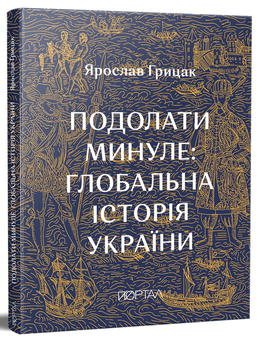
Book 1. A Global History of Ukraine
The combination of the global and the local is an urgent need for those who are trying to find a way out of the crisis of our time. The book offers such an approach to contemporary Ukraine. The
author points out that Ukraine was formed as a result of globalisation and modernisation, along with their darker aspects of mass violence. However, the past is not a prison. It always leaves room for choice. The publication looks to the past to better understand where Ukraine and the world are now and where they could go from here.
What is this publication for?
- To debunk myths, stereotypes and illusions about Ukraine
.
"Overcome" the past - go beyond national history and "reboot" the country through a global perspective.
Who is this publication for?
.
- The younger generation of Ukrainians who link their future with Ukraine.
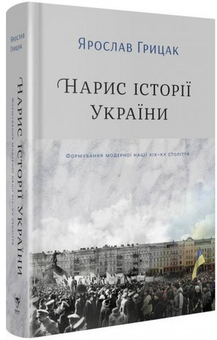
Book 2. Formation of a Modern Nation in the XIX-XX Centuries
The book is among the thirty most significant books of the time of Independence according to the Ukrainian Book Institute.
The first edition of this book was published in 1996. It can also be called the first popular history of Ukraine, which, according to the author, can be "read without bromine" and which asserts the fundamental normality of Ukrainian history. The new edition corrects some of the inaccuracies and errors of previous editions and adds new chapters, including a chapter on the last two decades of independent Ukraine, up to the 2013-2014 revolution, the war with Russia, and the pre-election weeks of 2019.
Quote
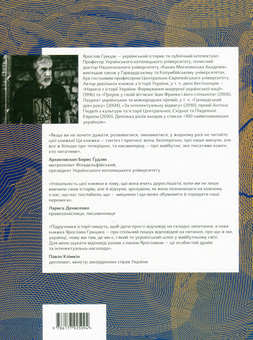
"The story that the dear reader is holding in his hands can be called a «story without bromine». Its underlying thesis is the assertion of the fundamental normality of Ukrainian history. This does not mean that it aims to replace a bitter drug with a sweet one. Ukraine has been and remains afflicted with serious illnesses. The normality of Ukrainian history is that all these diseases are not fatal, they are rather diseases of the growth of the national organism."
— Yaroslav Hrytsak