This is an automatically translated description
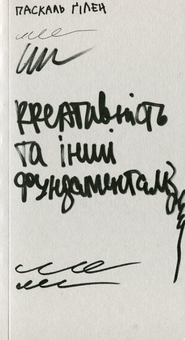
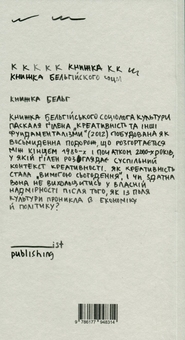
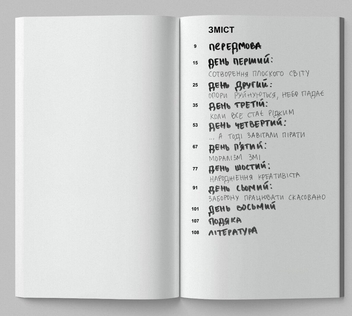
On the first day, the flat world was created, on the sixth day, the creative person was created, and on the seventh day, the ban on work was lifted. The Belgian cultural sociologist Pascal Guillén's book Creativity and Other Fundamentalisms (2012) is structured as an eight-day journey, set between the late 1980s and early 2010s, in which Guillén examines the social context of creativity. How did creativity become a "demand of the times" and is it able to avoid becoming stale in its own excess after it has moved from the cultural field to the economy and politics? Gillen aims to give specificity to the metaphors used by these authors to describe the present day."
"'Creativity' is a requirement of the present. Not only artists, but also business executives and political leaders are encouraged to be creative. Even family therapists and conflict resolution experts advise to look for more creative solutions. In today's world, creativity is only in tune with positive morality. Only positive things are expected from it. But what will be left of meaning if everyone empties it out like this? And where did this hunger for creativity come from? Doesn't this fact indicate that we are slowly losing the real creativity?" (excerpt from Pascal Guillén's foreword)