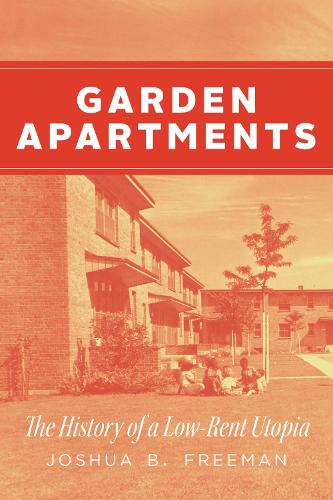
How a form of multifamily housing with idealistic roots became a ubiquitous model promoted by both public entities and private developers.
Eminent historian Joshua Freeman rescues garden apartments—typically low-rise multifamily residences that enclose or are surrounded by landscaped gardens—from their invisibility in the American landscape. He details their outsized influence on housing policy and social policy as they helped upgrade living standards for working people. Inspired by the architectural innovations and socialist politics of British garden cities, Red Vienna, and German modernist housing in the 1920s, these large, centrally managed projects were mostly not public housing, but their capitalist developers worked with governments to keep down rents. The results were often relatively small apartments and large communal spaces, aimed at fostering actual American community.
"
“Urban historical scholarship at its best.”
" - Journal of the American Planning Association
"
“In telling the story of the ordinary garden apartment, Freeman takes the reader on a provocative tour of urban social history in America, from the nineteenth century to the present moment.”
" - Governing