This is an automatically translated description
After a broad discourse on "post-truth", "fake news" has become the main topic for professional research and discussion in the global media. This was primarily caused by Russia's information interference in the presidential elections (in the US and France) and referendums (Brexit and Catalonia).
Fake news has become widespread due to the development and growing popularity of social media. The new direction of psychological targeting has made it possible to tailor certain messages to the preferences of different user groups. This resulted in a massive distortion of virtual reality, which was introduced for a specific political or economic purpose.
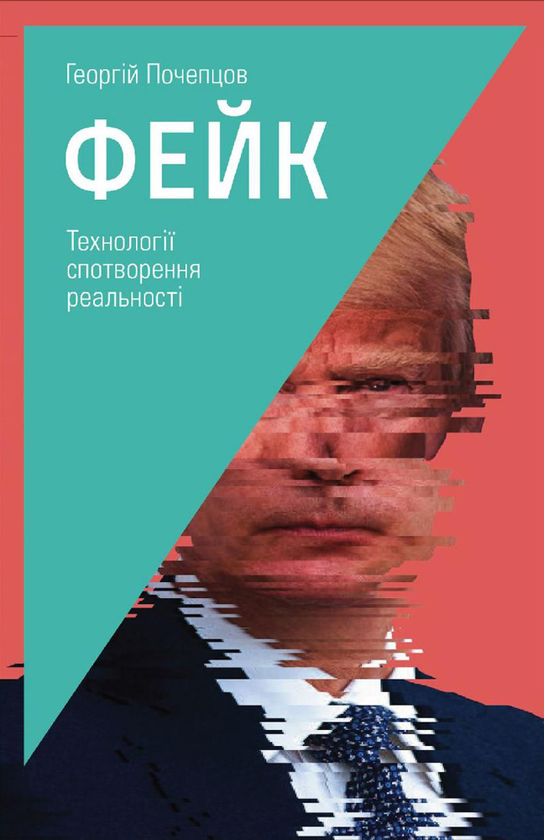
In this book, the author explores how fakes are created, why they spread so easily, and the methods available today to combat them.
The book is addressed to specialists in the humanities and social sciences, students of relevant specialities - journalists, psychologists, sociologists, as well as anyone interested in the technologies and tools of modern information wars.